- Moisture Defense: High-performance waterproof connectors use advanced silicone O-rings and overmolding to completely block water ingress, preventing short circuits and galvanic corrosion.
- Environmental Resilience: Outdoor connectors are manufactured with UV-resistant thermoplastic materials (like PA66) to withstand relentless sun exposure without becoming brittle and cracking.
- Temperature Stability: Robust sealing mechanisms protect internal contacts from condensation caused by rapid temperature fluctuations between freezing nights and scorching days.
- IP Rating Compliance: Ensuring safety in outdoor electrical systems requires strict adherence to IP67 or IP68 ratings, guaranteeing protection against both dust storms and heavy flooding.
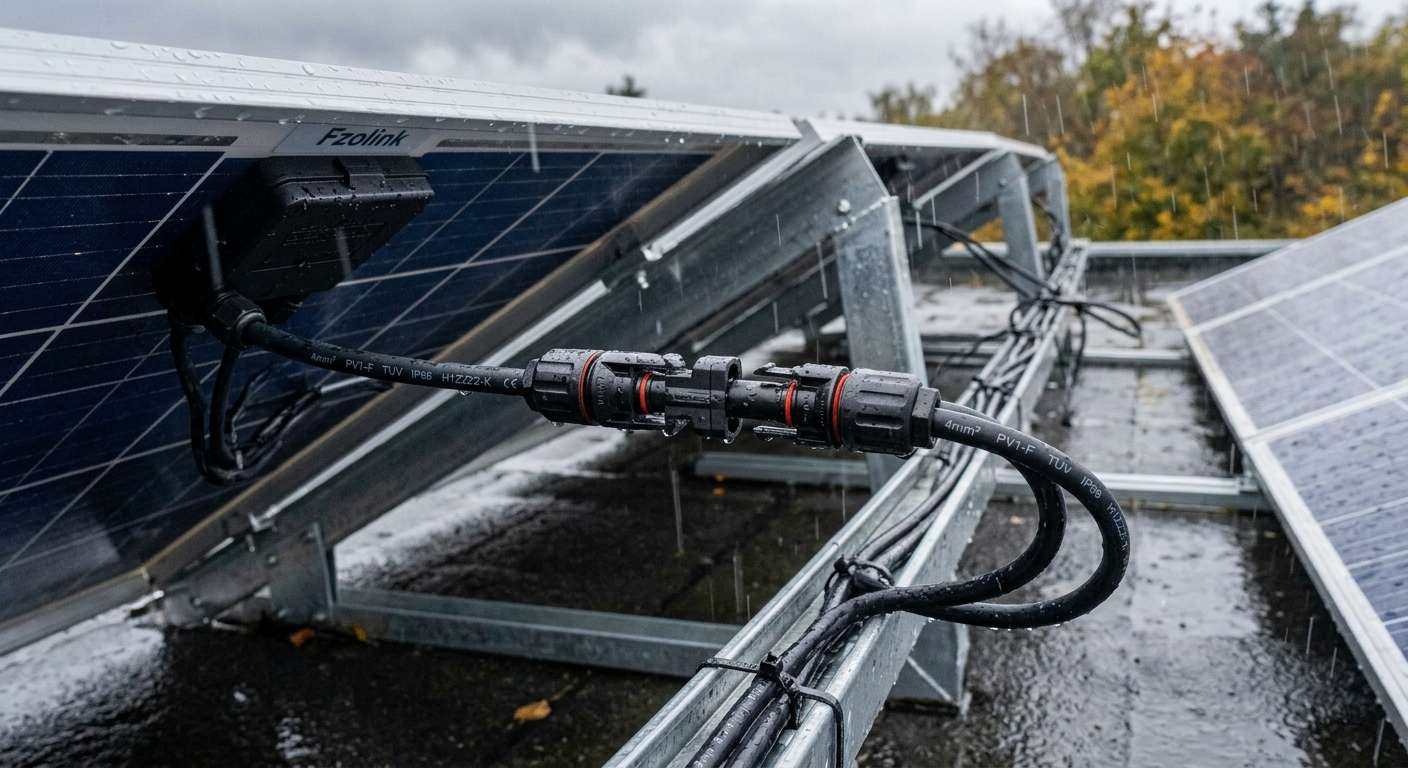
From sprawling solar photovoltaic farms and electric vehicle charging stations to urban LED street lighting and 5G telecom towers, outdoor electrical systems form the backbone of modern infrastructure. However, deploying electronics in the open air introduces a relentless host of environmental threats: torrential rain, fine dust, extreme temperature swings, and ultraviolet (UV) degradation. The vulnerability of these systems almost always lies at the physical connection points. To guarantee continuous operation and prevent hazardous electrical failures, engineers must rely on specialized waterproof electrical connectors. In this article, we explore the engineering mechanics behind how these critical components safeguard outdoor networks.
1. Preventing Short Circuits and Galvanic Corrosion
Water is highly conductive. If moisture penetrates an unsealed electrical interface, it immediately bridges the gap between adjacent contact pins. In high-voltage outdoor systems, this leads to instantaneous short circuits, blown fuses, or even catastrophic equipment fires.
Even if a short circuit does not occur immediately, micro-moisture initiates galvanic corrosion. When dissimilar metals in the connector pins are exposed to water (an electrolyte), rapid oxidation occurs. This corrosion builds a non-conductive layer on the pins, drastically increasing contact resistance and causing the connector to overheat. Premium waterproof connectors prevent this entirely by utilizing precision-engineered EPDM or silicone O-rings that maintain a watertight seal, effectively isolating the sensitive copper alloys from atmospheric moisture.
2. Combating Condensation from Thermal Shock
Outdoor environments frequently experience extreme thermal cycling—dropping to freezing temperatures at night and baking under the midday sun. This rapid shift causes air inside electrical enclosures to expand and contract. If a connector is not hermetically sealed, this "breathing" effect draws humid air into the housing, leading to internal condensation when temperatures drop.
Reliable outdoor industrial connectors are designed to resist thermal shock. High-grade potting compounds and specialized cable glands compress tightly around the wire jacket, preventing capillary action from drawing condensation down the cable into the terminal block.
3. Defending Against UV Degradation and Chemical Exposure
Water is not the only enemy in outdoor applications. Prolonged exposure to Ultraviolet (UV) radiation breaks down the molecular structure of standard commercial plastics, causing them to become brittle, lose their color, and eventually crack open—destroying any waterproof seal they once held.
To ensure long-term reliability, waterproof connectors designed for solar and marine applications are molded from advanced engineering thermoplastics like PA66 (Nylon) infused with UV stabilizers, or rugged die-cast metal alloys. These materials not only resist sunlight degradation but also withstand exposure to corrosive elements like ocean salt fog, agricultural fertilizers, and industrial chemicals.
Comparison: Standard Connectors vs. Waterproof Connectors in Outdoor Use
| Engineering Aspect | Standard Indoor Connectors | IP67/IP68 Waterproof Connectors |
|---|---|---|
| Ingress Protection | Typically IP20 to IP44 (Vulnerable to dust and splashing). | IP67 or IP68 (Fully dust-tight and submersible in water). |
| Sealing Mechanism | Friction fit or basic snap-locks; no rubber gaskets. | High-elasticity silicone O-rings, potting, and cable glands. |
| UV Resistance | Low. Standard ABS plastic becomes brittle and cracks outdoors. | High. UV-stabilized PA66 or metal housings last decades outdoors. |
| Safety Risk Profile | High risk of short circuits and electrical fires if exposed to rain. | Guarantees safe, uninterrupted power transmission in all weather. |
Frequently Asked Questions (FAQ)
Why are waterproof connectors essential for outdoor electrical systems?
Waterproof connectors are essential because they prevent moisture ingress, which causes galvanic corrosion, electrical short circuits, and catastrophic system failures in outdoor environments exposed to rain, snow, and high humidity.
How does water damage a standard electrical connector?
When water enters a standard connector, it creates a conductive path between the metal pins. This leads to immediate short circuits and triggers galvanic corrosion, which degrades the metal contacts and permanently increases electrical resistance.
What IP rating is required for outdoor electrical installations?
For general outdoor exposure like rain and splashing, IP67 is the minimum requirement. For equipment that may be submerged in water or subjected to severe flooding, IP68 rated connectors are strictly necessary to ensure safety.
Engineering a reliable outdoor electrical system requires uncompromising component selection. As an expert custom cable assembly supplier, Xiamen Olink designs and manufactures industry-leading IP67 and IP68 waterproof connectors built to survive the harshest outdoor environments. Protect your solar, telecom, and industrial automation networks today by partnering with our connectivity engineers.