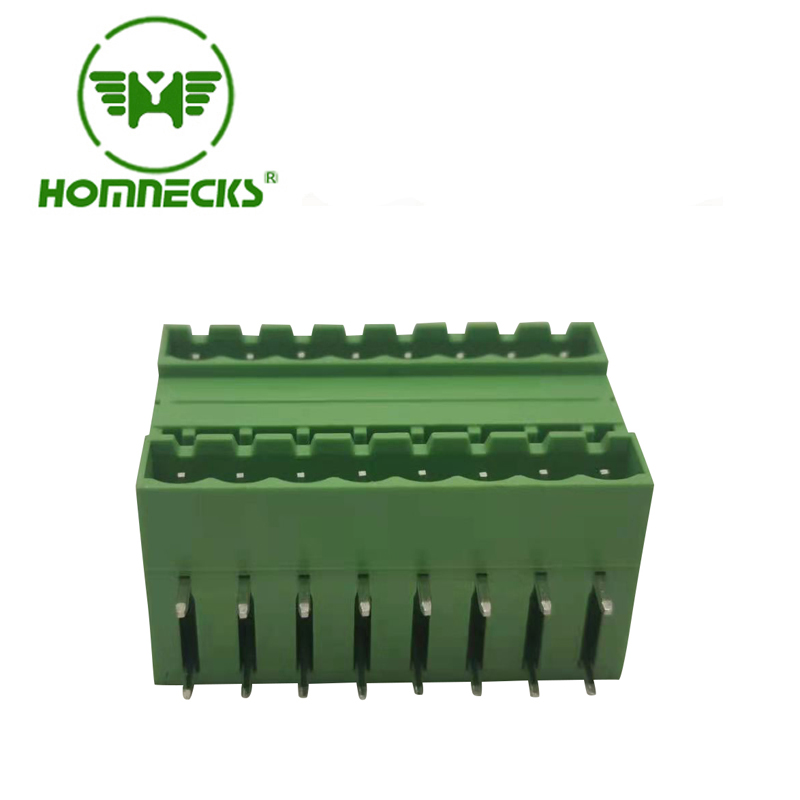
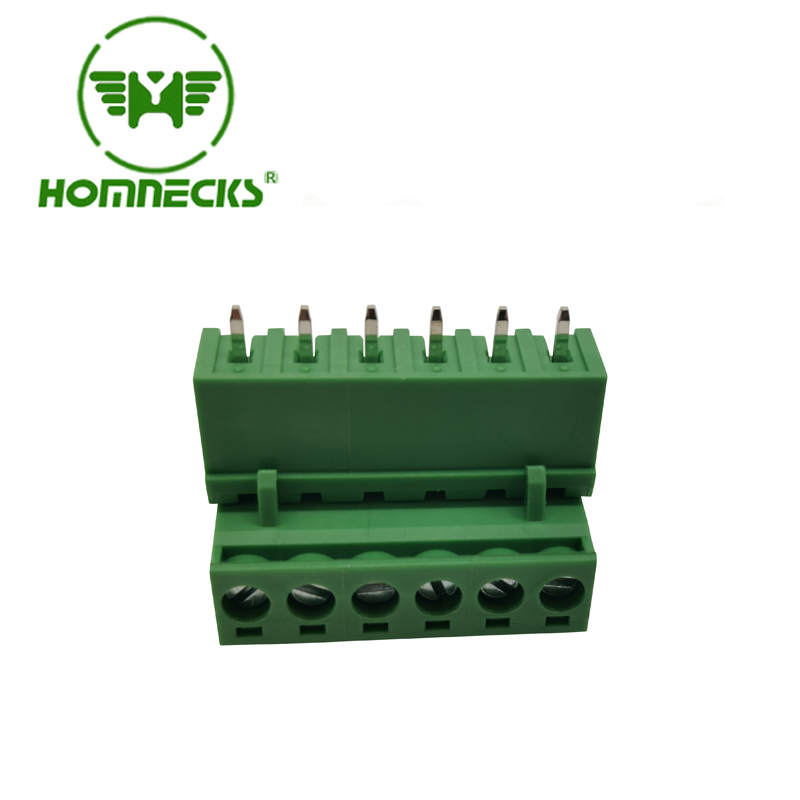
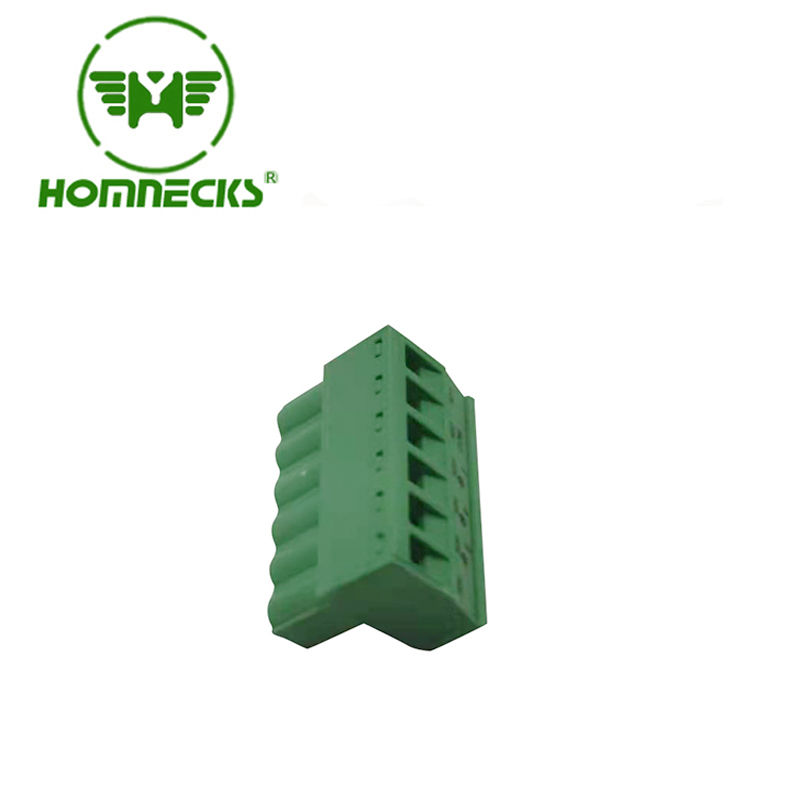
The Key Importance of 12 Pin Terminal Block

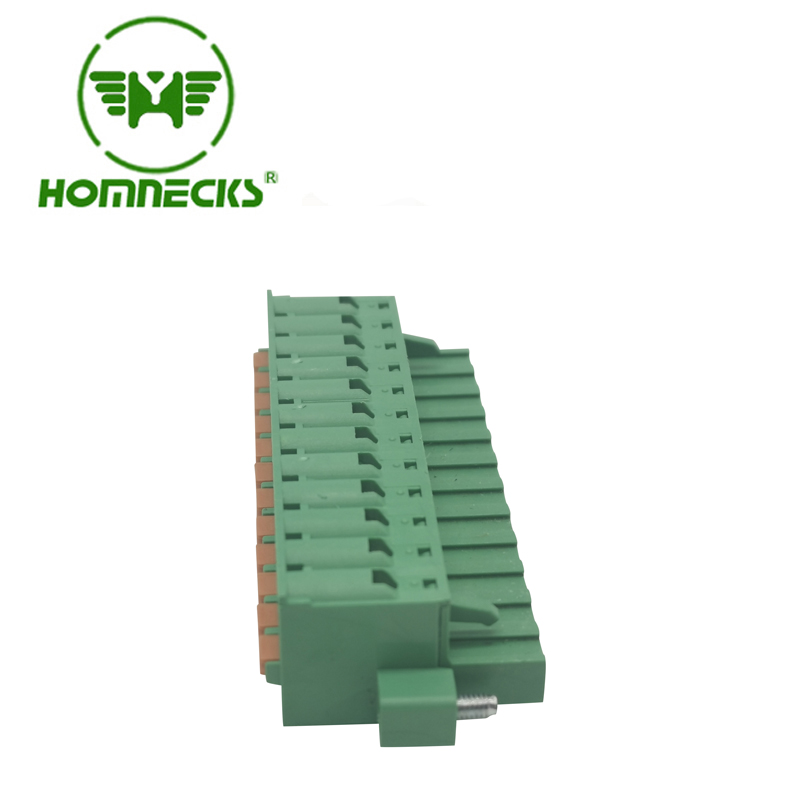
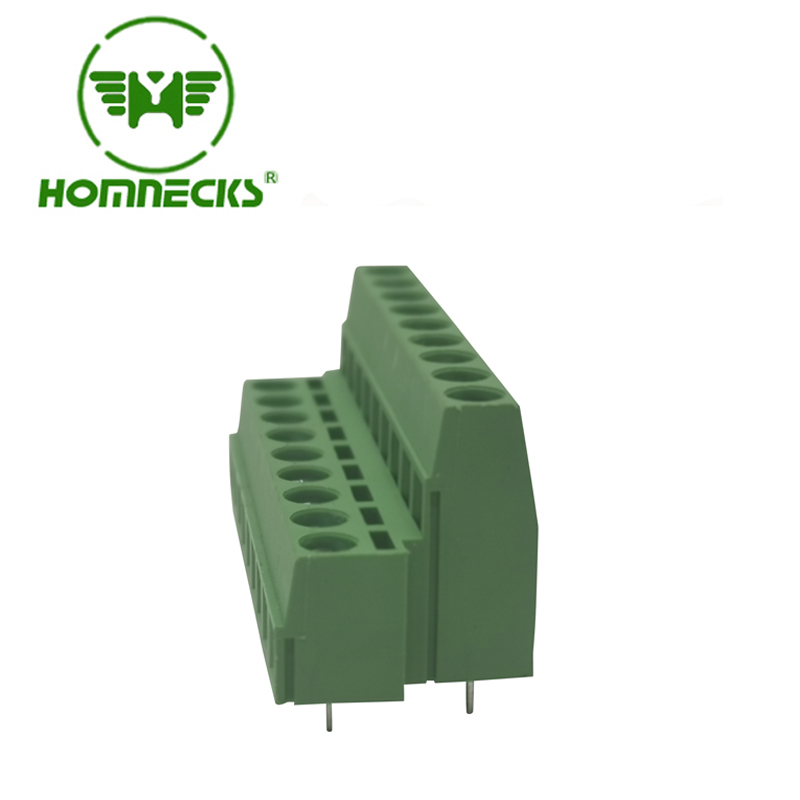
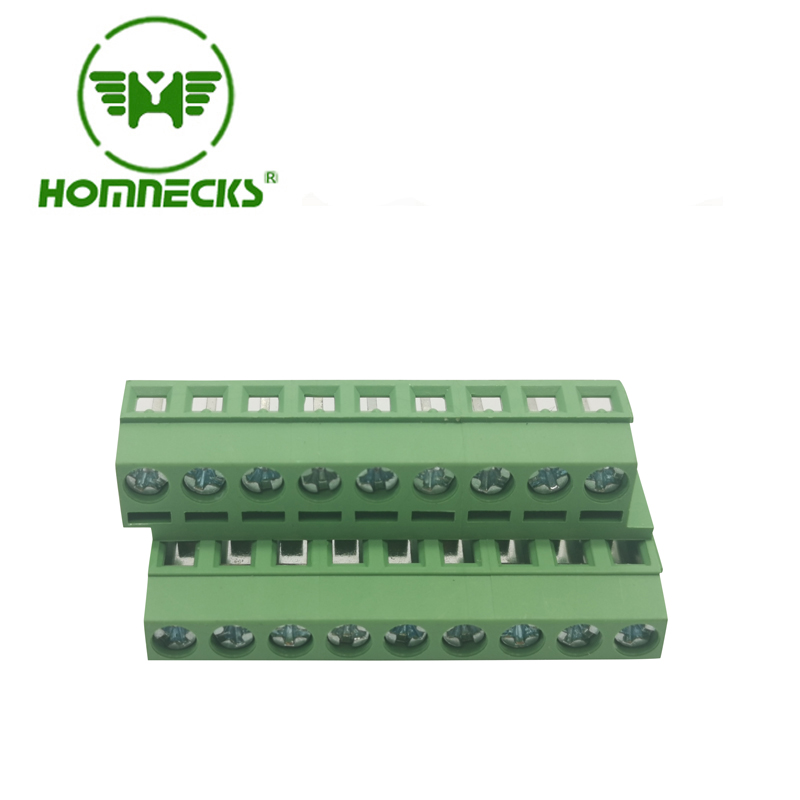
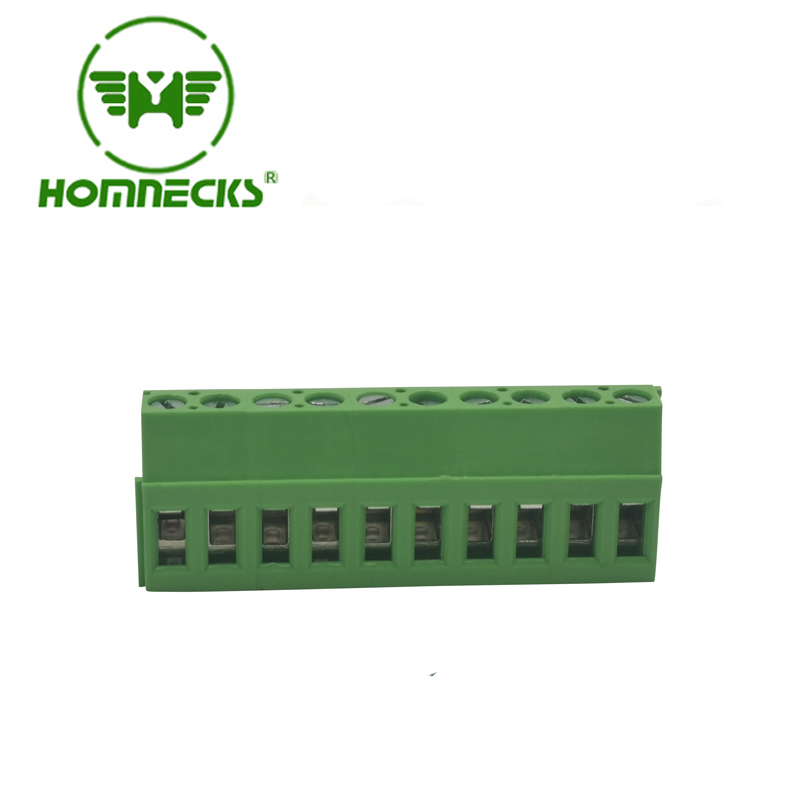
12 pin terminal block

Introduction:

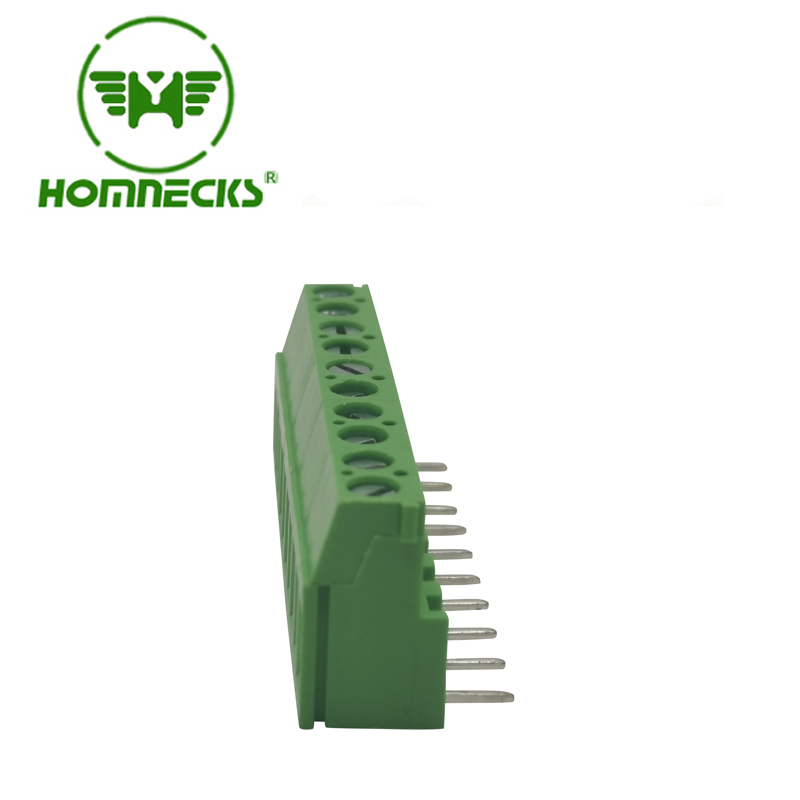
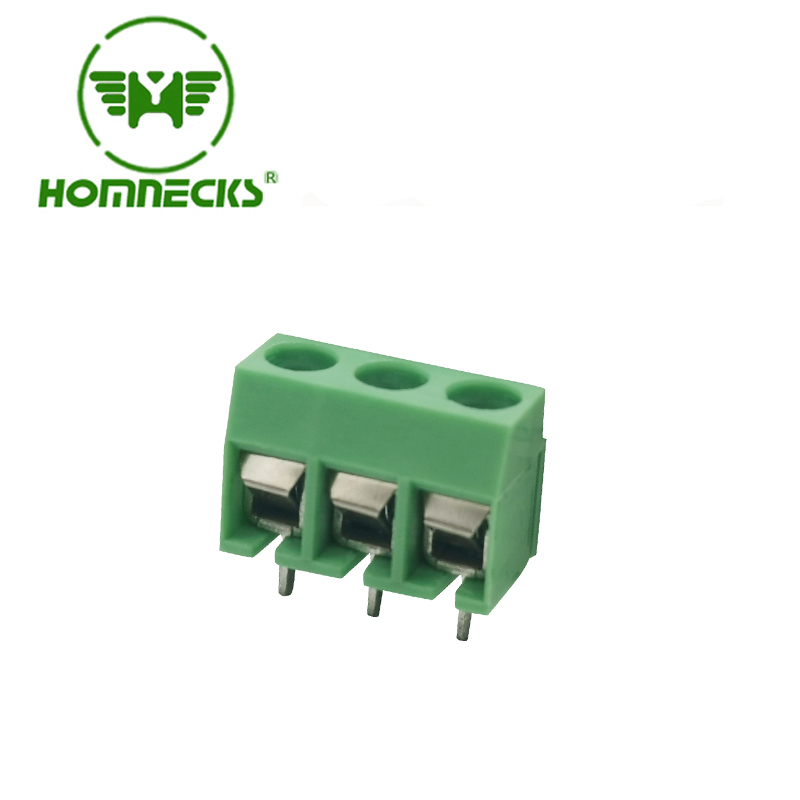
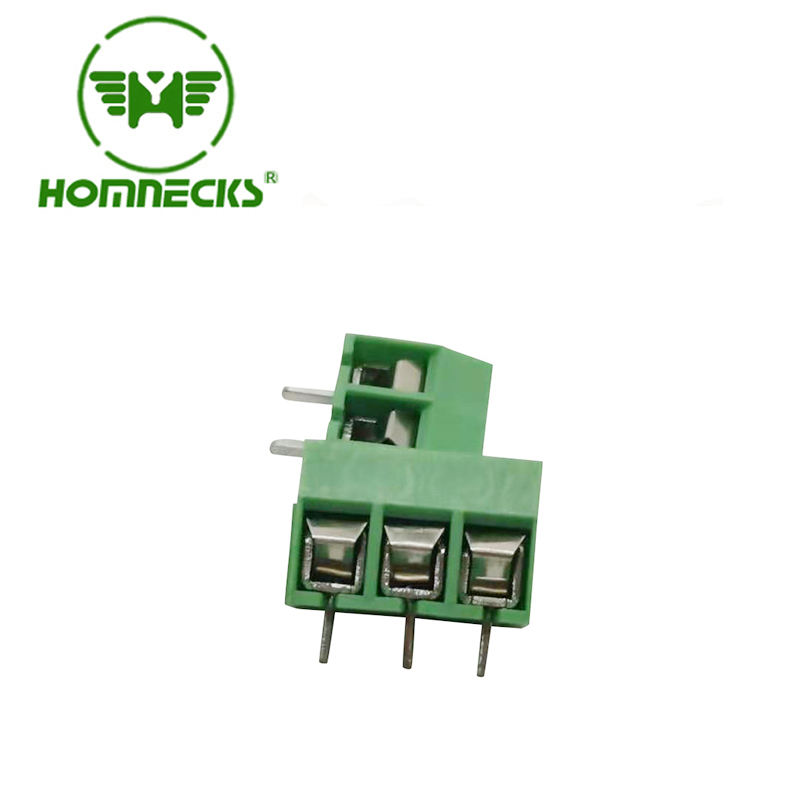
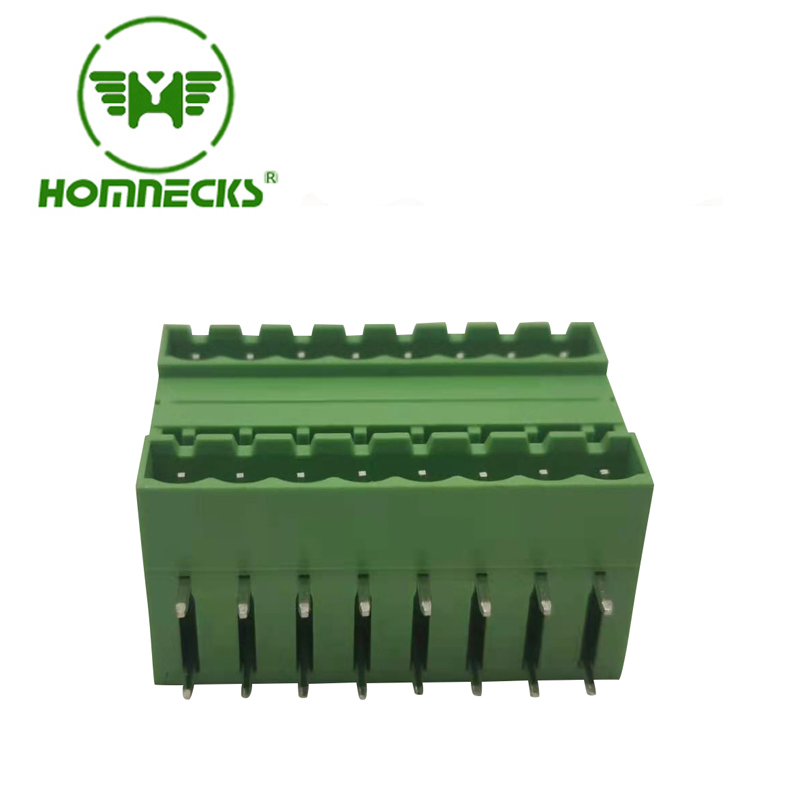
Terminal blocks play a pivotal role in electrical connectivity and organization. Among the various options available in the market, the 12 pin terminal block holds significant importance due to its versatility and handling capabilities. In this article, we will explore the critical issues associated with 12 pin terminal blocks and how they effectively address these concerns. Additionally, we will discuss key phrases like 5.08 mm pitch connector, feedthrough terminal block, terminal block 12 pin, 12 pole terminal block, 12 pin terminal block, and 8 way connector block that are relevant to this topic.


The first aspect to consider when discussing 12 pin terminal blocks is their compatibility with a 5.08 mm pitch connector. This specific pitch size ensures a secure and reliable connection by allowing the terminal block to snugly fit onto the connector. The accurate alignment between the pins of the block and the connector pins promotes excellent electrical conductivity, minimizing the risks of loose connections and signal interruptions.

feedthrough terminal block

Another critical issue that is often addressed by 12 pin terminal blocks is the need for feedthrough functionality. With a feedthrough terminal block, it becomes easier to route wires and cables seamlessly through the block. This feature enhances the organization and neatness of the wiring arrangement, preventing clutter and potential signal interference. Thus, the 12 pin terminal block with feedthrough capability offers a practical solution for clean and efficient wire management.

Terminal block 12 pin configurations provide exceptional versatility, allowing for various wiring options and connections. With 12 poles available, these blocks can accommodate multiple wires, making them suitable for complex electrical setups. Whether it is in industrial control panels, machinery, or instrumentation, the flexibility of 12 pin terminal blocks ensures the ease of installation and maintenance in diverse applications.


In applications where higher pin counts are required for extensive connections, the 12 pin terminal block proves to be a valuable component. By offering a 12 pole configuration, this terminal block enables the efficient management of larger wiring systems. Moreover, the robust design of the 12 pin terminal block ensures durability and long-term reliability, guaranteeing uninterrupted performance even in demanding environments.


When it comes to specific applications that demand precise connectivity, the 12 pin terminal block serves as an ideal solution. Whether it's connecting sensors, actuators, or other devices, the 12 pin terminal block provides a secure and stable connection. This reliability ensures accurate signal transmission, minimizing errors and ensuring optimal performance in critical systems.


For more complex wiring setups that require multiple connections, the 8 way connector block proves to be a compatible solution in conjunction with the 12 pin terminal block. By incorporating an 8 way connector block into the system, it becomes possible to expand the wiring capabilities of the 12 pin terminal block, facilitating additional connections and enhancing the overall functionality of the setup.


In conclusion, the 12 pin terminal block addresses critical issues that arise in electrical connectivity. With features like compatibility with a 5.08 mm pitch connector, feedthrough functionality, versatile 12 pin configurations, and the ability to handle higher pin counts, these terminal blocks offer a reliable and efficient solution for various applications. Additionally, the combination of the 12 pin terminal block with the 8 way connector block further enhances the wiring capabilities. Emphasizing the advantages of "HOMNECKS+PCB TERMINAL BLOCK" at the end of this article, it becomes clear that the 12 pin terminal block is an essential component for seamless and dependable electrical connections in diverse industries

The Protective Functions of 6 Pin Terminal Block

8 pin terminal block

Introduction:

In modern electrical systems, the proper and secure connection of wires is vital for ensuring safe and efficient operations. One crucial component that facilitates these connections is the 6 pin terminal block. Designed to accommodate multiple wires, these terminal blocks offer various protective functions that enhance the reliability and safety of electrical installations. This article explores the protective capabilities of 6 pin terminal blocks and their significance in electrical applications.


Enhanced Connectivity with 6 Way Terminal Blocks:

6 pin terminal blocks, also known as 6 way terminal blocks, provide the ability to connect multiple wires within a single device. Whether it's in industrial machinery, automation systems, or electrical panels, these terminal blocks enable efficient and organized wire connections. The flexibility of the 6-way terminal block design allows for proper routing and management of wires, reducing the risk of short circuits and ensuring optimal electrical performance.


Secure Connections with 6 Pin Terminal Blocks:

The primary function of a terminal block is to establish reliable and secure connections between wires. 6 pin terminal blocks excel at this task by providing a robust interface for wire terminations. The secure clamping mechanism of the terminal block ensures that the wires are firmly held in place, preventing accidental disconnections and reducing the chances of electrical faults. Users can rely on the high-quality 6-pin terminal blocks, such as those offered by HOMNECKS, for dependable and durable connections.


Protection against Vibration and Mechanical Stress:

In various applications, electrical systems may be subjected to vibration and mechanical stress, which can impact the integrity of wire connections. 6-pin terminal blocks, designed with durability in mind, offer protection against these external factors. The sturdy construction and reliable clamping mechanism of these terminal blocks ensure that the wires remain securely connected, even in demanding environments. This feature enhances system stability and minimizes the risk of intermittent connections or failures.


Enhanced Safety Features of 6 Pin Terminal Blocks:

Safety is a top priority in electrical installations, and 6 pin terminal blocks contribute to this goal. With their insulating materials and design, these terminal blocks provide electrical insulation between the connected wires, reducing the risk of electrical hazards, such as short circuits or electrocution. Additionally, some 6pin terminal blocks may feature insulation barriers between adjacent pins, further enhancing safety by preventing accidental contact between wires.


6 pin terminal block

Flexibility and Expandability with 8 Pin Terminal Blocks:

Although our focus is on 6 pin terminal blocks, it is worth noting that certain applications may require additional connections. In such cases, terminal block 8 pin offer expanded capabilities. These terminal blocks provide two extra pins for connecting additional wires, accommodating evolving needs in complex electrical systems. The 8 way terminal blocks offer the same protective functions and secure connections as their terminal block 6 way , with the added benefit of increased expandability.


In summary, 6 pin terminal blocks play a crucial role in electrical systems by providing essential protective functions for wire connections. With their enhanced connectivity, secure connections, protection against vibration and mechanical stress, and focus on safety, these terminal blocks ensure the reliability and stability of electrical installations. As a reputable manufacturer, HOMNECKS offers high-quality terminal block 6 pin and related products to meet industry demands. Invest in the protective capabilities of HOMNECKS' PCB terminal blocks to enhance the safety and efficiency of your electrical systems.

Why the 5.08 mm Terminal Block is a Game Changer in IoT Systems

3.81 mm terminal block

In the rapidly evolving world of IoT (Internet of Things),reliable connectivity is the backbone of efficient system performance.One critical component that ensures seamless connections in IoT controllers is the 508 mm terminal block.Designed for secure wire connections,this terminal block provides robust electrical connectivity,making it ideal for IoT applications where stability and durability are paramount.Its compact yet sturdy design ensures that even in high-density PCB layouts,the 5.08 mm terminal block delivers consistent performance.

When designing IoT controllers,engineers often face the challenge of balancing space constraints with functionality.This is where the versatility of terminal blocks comes into play.For instance,the 3.81 mm terminal block offers a smaller footprint,perfect for compact IoT devices where space is at a premium.Meanwhile,the 50 mm terminal block strikes a balance between size and current-carrying capacity,making it suitable for mid-range IoT applications.Both options ensure reliable connections without compromising on performance.

7.62 mm terminal block

In more demanding IoT environments,such as industrial automation or smart grid systems,higher current ratings and stronger connections are required.The 7.5 mm terminal block and 762 mm terminal block excel in these scenarios.These terminal blocks are engineered to handle higher voltages and currents,ensuring that IoT controllers operate safely and efficiently even under heavy loads.Their robust construction makes them a go-to choice for industrial IoT applications.

For IoT devices that require a balance between compact design and moderate electrical requirements,the 35 mm terminal block is an excellent choice.Its smaller pitch allows for high-density PCB layouts,while still providing reliable connections for low to medium current applications.This makes it a popular option for consumer IoT devices,such as smart home systems,where space and efficiency are critical.

The diversity of terminal blocks,from the 508 mm terminal block to the 35 mm terminal block,highlights their adaptability across various IoT applications.Whether it’s a compact wearable device or a large-scale industrial controller,these components ensure secure and efficient electrical connections.Their ability to meet different design requirements makes them indispensable in the IoT ecosystem.

When it comes to quality and innovation,HONGYI HOMNECKS PCB terminal blocks stand outKnown for their precision engineering and durability,HONGYI HOMNECKS terminal blocks,including the 508 mm terminal block,are trusted by engineers worldwide.Their products are designed to meet the highest industry standards,ensuring reliable performance in even the most demanding IoT applications.With HONGYI HOMNECKS,you get a perfect blend of quality,versatility,and innovation,making them the ideal choice for your IoT controller designs.


Advances in Resin Bond Diamond Pads for Floor Polishing

Resin floor polishing pads have played a significant role in the terrazzo grinding industry, providing superior performance and efficiency. Now, with the advent of resin diamond polishing pads, a new era of polishing tools has begun.


Over the years, resin diamond polishing pads have undergone remarkable advancements in terms of design, material composition, and manufacturing techniques. These pads are now more durable, efficient, and capable of delivering exceptional polishing results for terrazzo floors. The integration of high-quality synthetic diamonds within the resin matrix has greatly enhanced their abrasive capabilities, ensuring optimal performance during the grinding process.


Resin diamond polishing pads offer unmatched polishing efficiency due to their unique bond composition. The resin matrix holds the diamonds securely in place, allowing for even wear and prolonged pad lifespan. This advanced bonding technology minimizes the need for frequent pad changes, reducing downtime during the grinding process. Moreover, the resin matrix provides consistent pressure distribution, resulting in a uniform polish across the entire terrazzo surfaces.


resin floor polishing pads


Resin diamond polishing tools are available in a wide range of grit sizes, allowing professionals to achieve various levels of smoothness and shine on terrazzo floors. Whether it’s a coarse grit for initial grinding or a fine grit for the final polishing stage, these tools offer versatility and adaptability to different floor conditions. The ability to select the appropriate resin diamond pad for specific terrazzo grinding tasks ensures optimum efficiency and outstanding results.


The development of resin diamond polishing tools has greatly aided in the achievement of superior terrazzo floor finishes. Professionals can rely on these cutting-edge technologies to maximize efficiency and minimize downtime while achieving unparalleled results, whether they are working on a residential or commercial project. We may anticipate more advancements in resin floor polishing pads as the market develops, which will raise the bar for terrazzo grinding.

How to Remove Imperfections from Concrete Floors


Concrete floors are known for their durability and low maintenance, but they can develop flaws over time, including cracks, stains, and uneven areas. These imperfections can impact both the look and functionality of your flooring, particularly in commercial and residential settings. Fortunately, there are various techniques available to restore concrete to its original smoothness and beauty, such as grinding, patching, or polishing.


The initial step in addressing imperfections in concrete is to assess the type and extent of the damage. For minor surface issues like light stains or discoloration, a thorough cleaning and degreasing may suffice. A powerful wash or a specialized concrete cleaner can often eliminate stains, preparing the surface for additional treatment. However, more serious cracks or uneven areas will require advanced techniques like grinding or patching.


For larger cracks or holes, a concrete patching compound should be used. After mixing the compound according to the manufacturer’s guidelines, apply it with a putty knife or trowel to fill the cracks. Once the patched area has cured, a concrete coating removal tool can be employed to smooth the surface and ensure that the repair blends in with the surrounding floor. This method can help eliminate noticeable differences in texture and color, resulting in a uniform appearance.


concrete coating removal tool


Grinding is particularly useful for addressing larger areas of imperfection, such as rough spots, uneven patches, or high areas. Diamond grinding tools, including diamond concrete grinding discs, can be utilized to level the surface and remove flaws like scratches, chips, and surface contaminants. For floors that are significantly damaged or worn, using a Schwamborn metal bond diamond grinding tool may be the most effective way to achieve the smooth, even surface desired.


After grinding and patching, the final step is polishing. Polishing not only improves the visual appeal of the concrete but also seals the surface, enhancing its resistance to stains and wear. By using finer grit polishing pads, you can achieve a glossy, smooth finish that restores the floor’s original luster, making it look brand new.


TransGrind is a professional manufacturer and supplier of high-quality diamond tools. Our tools are crafted for high performance, durability, and precision, ensuring optimal results in grinding and polishing tasks. To explore our wide range of products, please visit us at www.transgrindtools.com.
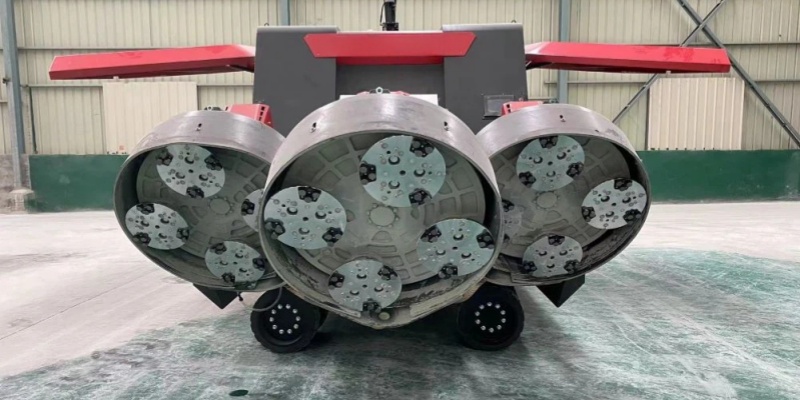
The Importance of Floor Prep in Industrial Applications


In industrial environments, the condition of the flooring is vital for maintaining a safe and efficient workspace. Whether in manufacturing facilities, warehouses, or distribution centers, floors endure heavy machinery, foot traffic, and various stresses. A key reason floor preparation is crucial in industrial settings is the necessary for a level and stable surface. Uneven flooring can create serious safety hazards, including tripping risks and accidents involving forklifts and other equipment. By utilizing proper floor preparation methods, such as leveling and smoothing, companies can decrease the chances of workplace accidents and foster a safer environment.


Another vital component of floor preparation is addressing moisture-related challenges. Industrial facilities often encounter issues from moisture seeping in from below, which can lead to mold growth, floor damage, and compromised structural integrity. Effective floor preparation includes moisture control strategies like installing moisture barriers, conducting moisture tests, and applying specialized coatings. These actions help protect the flooring from moisture-related issues, extending its lifespan and lowering maintenance expenses.


concrete metal bond diamond heads


Floor preparation also significantly impacts the performance and durability of coatings and finishes applied to the surface. A properly prepared and clean floor allows coatings to adhere securely, reducing the risk of peeling, flaking, or chipping. This is particularly crucial in areas where chemical spills, abrasion, and heavy traffic are common. Whether using epoxy, polyurethane, or other specialized coatings, adequate floor preparation ensures a strong bond, maximizing the lifespan and effectiveness of the protective finishes. To achieve optimal results, tools like PCD coating removal tooling can effectively strip away old layers, ensuring a clean substrate. For concrete floors, the use of concrete metal bond diamond heads helps smooth and level the surface, creating an ideal foundation for coatings. Finally, 3 inch resin polishing pads can refine the floor’s surface after grinding, enhancing its smoothness and further improving the bonding process for the final coating.


Floor preparation is an essential process in industrial applications that should not be neglected. From promoting safety to improving coating performance and enhancing operational efficiency, the advantages of proper floor preparation are significant. By investing in professional floor preparation services and techniques, companies can establish a secure, durable, and high-performing surface that supports their operations for the long term.

CD Core Enhancing Transformer Performance with Cutting-Edge Technology

CD cores, also known as cruciform or diagonal cores, are cutting-edge transformer core materials. With their unique design and properties, CD cores offer numerous advantages, revolutionizing the performance and efficiency of transformers. In this article, we will explore the features, benefits and applications of CD cores in the field of transformers.


CD cores are constructed using high-quality silicon steel, which exhibits excellent magnetic properties. The core's distinctive cruciform shape with diagonal legs allows for efficient magnetic flux distribution, reducing losses and enhancing transformer performance. CD cores are characterized by low hysteresis loss, high saturation flux density, and excellent permeability, making them ideal for various transformer applications.

Benefits of CD Cores:

1. Low Core Losses: CD cores offer reduced hysteresis and eddy current losses, resulting in higher energy efficiency.

2. Enhanced Flux Control: The cruciform shape enables optimal distribution of magnetic flux within the core, minimizing flux leakage and improving overall transformer performance.

3. High Saturation Flux Density: CD cores can accommodate higher magnetic flux densities, enabling transformers to handle increased loads without saturation issues.

4. Improved Thermal Behavior: The unique design of CD cores enhances heat dissipation, reducing the risk of thermal damage.

5. Compact Size: CD cores provide higher power density, allowing for smaller and lighter transformers in space-constrained applications.

Applications of CD Cores:

CD cores find extensive applications in various transformer types, including:

1. Power Transformers: CD cores enable high-efficiency power transmission, suitable for utility and industrial power distribution systems.

2. Distribution Transformers: CD cores enhance energy efficiency in distribution networks, delivering reliable and stable voltage levels.

3. Renewable Energy Systems: CD cores contribute to the performance and reliability of transformers used in solar and wind power installations.

4. Electrical Vehicles: CD cores support efficient power conversion in electric vehicle charging stations, enabling faster and more reliable charging.

5. Industrial Applications: CD cores are utilized in transformers for industrial machinery, control systems, and other high-power applications.


CD cores, with their advanced design and superior magnetic properties, have revolutionized transformer technology. Their low losses, improved flux control, and compact size make them a preferred choice for numerous applications. As transformers continue to play a crucial role in power distribution and energy systems, CD cores pave the way for high-performance, energy-efficient solutions.

The Significance of Lamination in Transformer Cores

Transformers are essential electrical devices that facilitate the efficient transmission and distribution of electrical energy. At the heart of every transformer lies its core, which plays a crucial role in transforming voltage levels. One commonly employed technique in constructing transformer cores is lamination. In this article, we will explore why lamination is used and delve into its significance in the design and performance of transformer cores.

 Why COGO Lamination?

The primary reason for incorporating CRGO laminations in transformer cores is to mitigate energy losses caused by magnetic characteristics while maintaining optimal performance. Laminated cores consist of numerous thin layers of a magnetic material, typically silicon steel, stacked together and insulated from each other. This technique introduces several benefits that enhance the efficiency and reliability of transformers.


Reducing Eddy Current Losses:

When an alternating current flows through the primary winding of a transformer, it induces a magnetic field in the core. However, this varying magnetic field can induce small circulating currents, known as eddy currents, within the solid core material. These eddy currents generate heat and consume a significant amount of energy, leading to undesirable energy losses. Lamination effectively addresses this issue by breaking up the solid core into thin insulated layers, thus interrupting the flow of eddy currents and minimizing energy dissipation as a result.


Controlling Magnetic Flux:

Lamination also helps in controlling the flow of magnetic flux within the transformer core. By dividing the core into multiple layers, each with its own magnetic path, laminations ensure that the magnetic flux follows a desired and efficient route. This controlled flux path minimizes magnetic leakage and maximizes the coupling between the primary and secondary windings, leading to improved transformer performance.


Reducing Hysteresis Losses:

Hysteresis loss occurs when the magnetic field within the core material repeatedly reverses its polarity with each alternating cycle. By using laminations, the size of the hysteresis loop, and thus the associated hysteresis losses, can be significantly reduced. This is achieved by carefully selecting the thickness and composition of the laminations, optimizing the magnetic properties and reducing energy losses within the core.

SO…

Lamination is a fundamental technique employed in transformer core design to enhance efficiency and reduce energy losses. By effectively controlling eddy currents, magnetic flux, and hysteresis losses, laminated transformer cores ensure optimal performance and improve the overall energy efficiency of electrical power distribution systems. As technologies continue to advance, the use of advanced laminated materials and designs will further contribute to the evolution of efficient and sustainable transformers.

Understanding Different Grades of Oriented Silicon Steel for Transformer Cores

Oriented silicon steel, also known as electrical or CRGO (Cold-Rolled Grain-Oriented) silicon steel, is a vital material used in the manufacturing of transformer cores. Its unique magnetic properties and grain orientation make it an excellent for efficient power transmission. In this article, we will explore the various grades of oriented silicon steel and their applications in the transformer industry, including the addition of the M4 grade. We are proud to inform you that SHUNGE possesses a wide range of oriented silicon steel grades; please contact us for any specific requirements.

Oriented silicon steel

1. M0 Grade:

M0 grade oriented silicon steel is highly regarded for its exceptional magnetic characteristics. With its low core losses and high magnetic permeability, it is ideal for use in high-efficiency power transformers. The superior energy efficiency and improved voltage regulation provided by M0 grade contribute to enhanced performance in diverse applications, ranging from industrial power distribution to renewable energy systems.

2. M1 Grade:

M1 grade oriented silicon steel exhibits excellent magnetic properties and finds common usage in medium to high-power transformers. It offers slightly higher core losses compared to the M0 grade but remains a highly reliable and efficient option. Transformers utilizing M1 grade silicon steel serve various electrical systems, including utility substations, commercial buildings, and manufacturing facilities.

3. M2 Grade:

M2 grade oriented silicon steel is specifically designed for applications requiring lower magnetic flux density. Although it has higher core losses compared to M0 and M1 grades, it remains suitable for transformers where efficiency is not the primary concern. M2 grade silicon steel is commonly used in low-power transformers, such as those found in household appliances and lighting systems.

4. M4 Grade:

The M4 grade oriented silicon steel is a specialized grade that offers distinct magnetic properties and is suitable for specific transformer applications. While providing unique benefits, such as lower core losses at higher frequencies, it caters to transformers operating in demanding environments. M4 grade silicon steel is widely used in power electronics, renewable energy systems, and high-frequency transformers.

CRGO silicon steel

Oriented silicon steel, with its grain orientation and superior magnetic properties, plays a crucial role in ensuring the efficiency and reliability of transformer cores. By understanding the different grades available, manufacturers can select the most suitable material for their specific power transmission needs. Whether it is the widely used M0 and M1 grades, the specialized M2 grade, or the advanced M4 grade, each offers unique benefits and applications, contributing to the seamless functioning of electrical systems worldwide. At ShunGe, we are proud to offer a wide range of oriented silicon steel grades, including nearly all available grades. Please feel free to contact us for any specific requirements or inquiries.

Unveiling the Magnetic Marvel The Fascinating World of Orientation Silicon Steel

In the realm of materials science, there exists a star that shines brightly in the field of electrical engineering – orientation silicon steel, or simply, oriented silicon steel. This isn't just any ordinary metal; it's a technological wonder that revolutionizes the way we think about electricity and magnetism.

Imagine a material so refined and engineered that it exhibits exceptional magnetic properties, making it the go-to choice for transformers and other electrical devices. Oriented electrical steel undergoes a complex manufacturing process involving rolling and annealing to align its magnetic domains in a specific direction. This alignment is crucial, as it significantly reduces energy loss during the transformation of electrical energy, enhancing efficiency by leaps and bounds.

Orientation Silicon Steel

But why should we care? Well, in today's world where sustainability and energy efficiency are paramount, every little bit of energy saved counts. Transformers equipped with orientation silicon steel play a pivotal role in reducing electricity wastage, thereby contributing to greener, more eco-friendly power grids.

Moreover, the material's thin gauge and high permeability allow for more compact transformer designs, making it an invaluable asset in the ever-shrinking world of electronics. From large-scale power stations to the tiny transformers inside our gadgets, orientation silicon steel is there, silently working its magic.Orientation Silicon Steel

So, the next time you marvel at the seamless flow of electricity that powers your life, remember the unsung hero behind the scenes – orientation silicon steel. It's a material that's not just about steel; it's about innovation, efficiency, and a brighter, more sustainable future.