HongYi Electroplating has a certain impact on the performance of 5.08 PCB plug-in terminals Different electroplating methods will have different effects on the performance of terminal pcb connector: HongYi HongYi Nickel plating: Nickel plating can provide good corrosion resistance and wear resistance, but its conductivity is poor. Usually used to increase the durability and appearance of plug in pcb terminal block header For hardware components, common materials include brass, stainless steel, and copper alloys. Brass has good conductivity and processability, making it suitable for most applications. Stainless steel has better corrosion resistance and mechanical strength, making it suitable for environments with high demand. Overall, the best choice depends on specific application requirements and performance demands. When choosing electroplating and hardware components, it is recommended to refer to relevant industry standards and technical specifications, or consult professional technicians to ensure that the terminals have good performance and usability in specific environments.

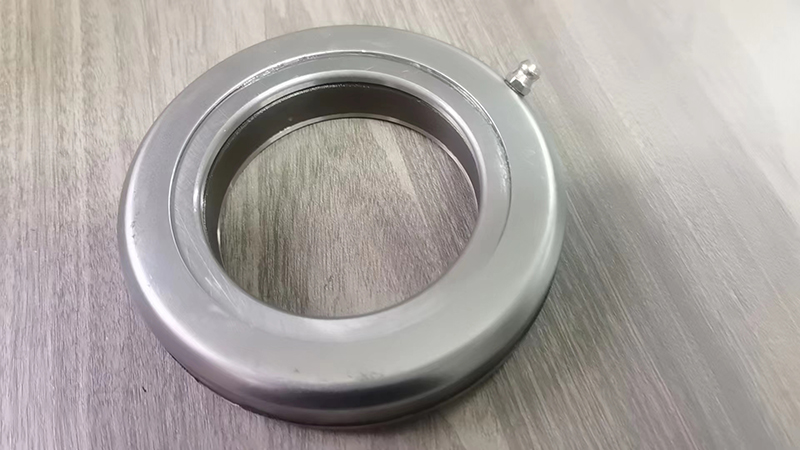
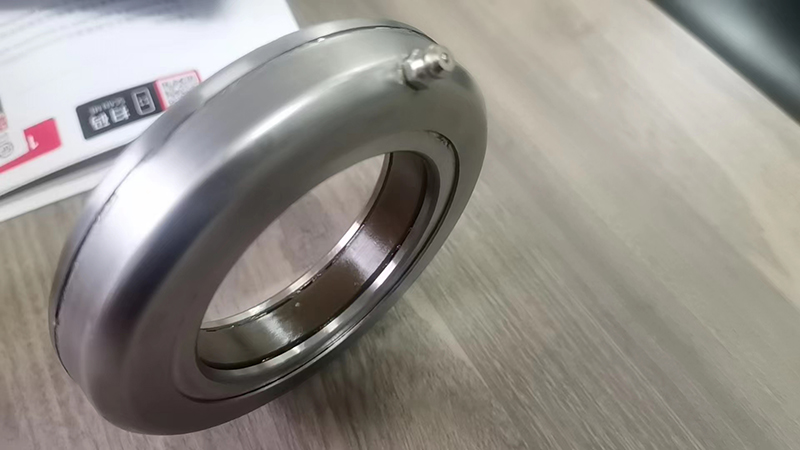
Clutch Release Bearings A4212
MKL BEARINGS can produce different clutch release bearings for farm equipment, automotive, truck and other applications;
Such as A4206 ,A4212
A2287 bearings with inner diameter 69.5mm,
A2256 clutch release bearings with inner diameter 52.4mm
AH229175 bearings with inner diameter 50.8
AR41942,A3535 bearings with inner diameter 52.4mm
For other bearings just feel free to send us your part number or drawing ,we can produce according to your requirements.
And free bearings sample and production drawing will provide to confirm before production .
For more information just feel free to contact with us free .
E-mail:seven@mklbearing.com
Are Ceramic Bearings Worth it Skating?
If you're looking for a low-maintenance solution, ceramics could be worth a look. So, all this considered, our recomendation for most skaters is this: just get a decent set of Chrome Steel bearings with good shields and look after them. Ceramics are nice, but they are a luxury that most will not notice.
MKL BEARINGS can produce 608 full ceramic skate bearings ,we have bearingsin stock ,free sample can be provide before order .
Application of 2P Terminal Blocks in the Camera Monitoring Machine Market
In the camera monitoring system market, Ningbo HongYi 

Main material composition of PCB Terminal Block
The main material composition of PCB (Printed Circuit Board) wiring terminals can include the following aspects: NingBo HongYi PCB TERMINAL BLOCK NingBo HongYi PCB TERMINAL BLOCK NingBo HongYi PCB TERMINAL BLOCK NingBo HongYi PCB TERMINAL BLOCK It should be noted that different application areas and manufacturers may use different material combinations and manufacturing processes to meet specific requirements and standards. Therefore, in practical applications, the material composition of specific 5 pin screw terminal connector

Main performance Of 5.08 Pcb Pluggable Terminal Block

What should be noted When Using pcb terminal block

When using PCB terminal block, the following points should be noted:
1.Electrical connection: Ensure correct connection of the circuit. Insert the wire into the corresponding slot of the 3 pin pluggable terminal block, tighten the pin nut or press the spring to clamp the wire, ensuring reliable electrical connection. Check if the connection is secure to avoid poor contact or looseness.
2.Environmental adaptability: Select appropriate PCB wiring terminals according to the application environment. Some applications may require special waterproof, dustproof, or high-temperature resistance performance. Ensure that the selected PCB 3 pin screw terminal connector can meet the requirements of the working environment and provide reliable connections.
3.Installation position: Install the pcb terminal block 3 pincorrectly onto the PCB board, ensuring good contact between the pins and the PCB, and avoiding contact or short circuit between the pins and surrounding components.

4.Wire selection: Choose the appropriate wire specifications based on design requirements and current load. Inappropriate wire specifications may result in unreliable electrical connections, overheating, or other issues. Ensure pluggable terminal block 3 pin selected wires can withstand the required current and voltage, avoiding overloading and safety risks.
5.Maintenance and inspection: Regularly check pcb terminal block 3 pin connection status of PCB wiring terminals to ensure that there is no looseness or corrosion. If any problems or abnormalities are found, take timely measures to repair or replace them.
Please note that the above guidance only covers the general usage points. In practical applications, it is necessary to operate and pay attention 4 pin block connector to specific situations and requirements. Suggest referring to the installation and usage instructions provided by the manufacturer based on specific product specifications and usage requirements
What are The Typical Costs Associated with Building A Camouflaged Monopole Tower
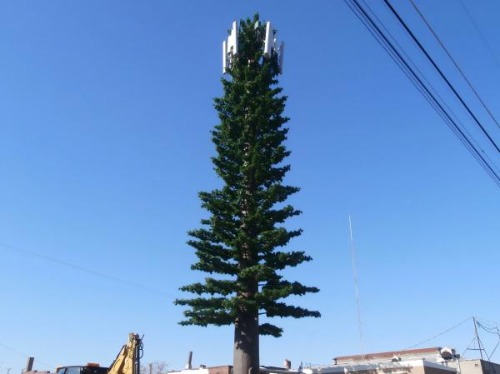
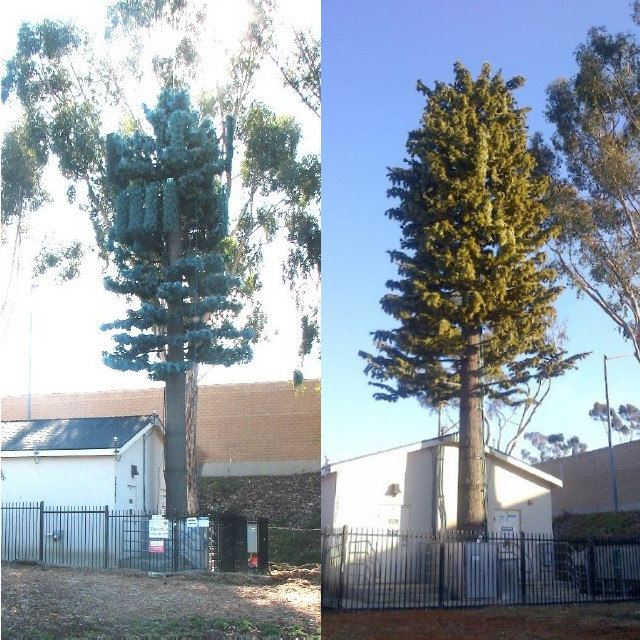
The costs associated with building a Camouflaged Monopole Tower can vary depending on several factors, including the tower's height, design complexity, camouflage materials used, location, site preparation requirements, and additional features such as antennas and equipment. Here are some typical cost considerations for constructing a camouflaged monopole tower:
1. Design and Engineering Costs:
Structural Design: Costs for designing the tower structure and ensuring it meets structural integrity and safety standards.
Camouflage Design: Expenses related to designing and implementing the camouflage pattern to blend the tower with its surroundings.
2. Tower Construction Costs:
Materials: Costs for the monopole structure, camouflage materials, foundation materials, and any additional components such as antennas and equipment mounts.
Labor: Expenses for construction labor, including site preparation, tower assembly, installation of antennas and equipment, and camouflage application.
3. Site Preparation Costs:
Land Acquisition: If land needs to be acquired for tower placement, associated costs will be incurred.
Permitting and Regulatory Compliance: Fees for obtaining permits, conducting environmental assessments, and complying with local regulations.
4. Equipment Installation Costs:
Antennas and Equipment: Costs for purchasing and installing antennas, transmitters, receivers, and other telecommunication equipment on the tower.
5. Maintenance and Operational Costs:
Routine Maintenance: Budget for ongoing maintenance, inspections, and repairs to ensure the tower remains structurally sound and visually effective.
Utilities: Costs for connecting the tower to power sources and telecommunication networks.
6. Miscellaneous Costs:
Transportation: Expenses for transporting materials and equipment to the construction site.
Safety Measures: Costs for implementing safety measures during construction and maintenance activities.
Factors Influencing Costs:
Height of the Tower: Taller towers typically require more materials and labor, leading to higher construction costs.
Location: Construction costs can vary based on the accessibility of the site, local labor rates, and regulatory requirements.
Design Complexity: Elaborate camouflage designs or special architectural features may increase construction costs.
Quality of Materials: Higher-quality materials and finishes may contribute to increased costs but can enhance the tower's longevity and aesthetics.

Overall, the total cost of building a camouflaged monopole tower can range from tens of thousands to hundreds of thousands of dollars or more, depending on the specific requirements of the project. It is essential to conduct a thorough cost analysis and consider all relevant factors to budget effectively for the construction of a camouflaged monopole tower.
How Much Does A 5G Cell on Wheels ( COW) Cost
The cost of a 5G Cell on Wheels (COW) can vary significantly based on several factors, including the specific equipment and technology used, the capacity and coverage requirements, the duration of deployment, and whether it is a purchase or rental. Here are some cost considerations for a 5G Cell on Wheels:
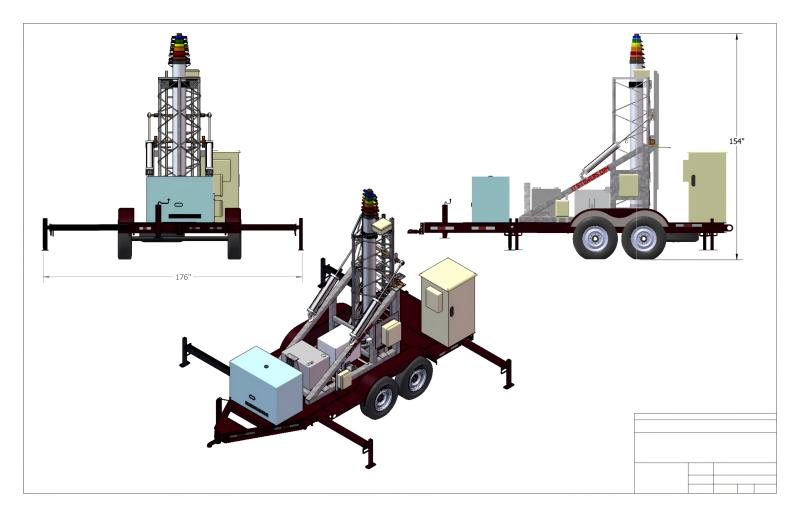
Factors Influencing Cost:
1. Equipment Costs:
- Antennas and Radios: The cost of 5G antennas, radios, and other radio access network (RAN) equipment required for 5G connectivity.
- Networking Equipment: Costs for routers, switches, and other networking devices to establish connectivity.
- Power Systems: Batteries, generators, or alternative power sources to ensure continuous operation.
- Backhaul Connectivity: Expenses related to connecting the COW to the core network through fiber or wireless backhaul.
2. Construction and Installation:
- Tower and Mounting: Costs for the tower structure, mounting hardware, and installation.
- Site Preparation: Expenses for site survey, permits, and any necessary groundwork.
3. Technology and Capacity:
- 5G Capabilities: Costs associated with implementing 5G technology, such as massive MIMO antennas or beamforming equipment.
- Capacity: Higher capacity and coverage requirements may increase equipment costs.
4. Operational Expenses:
- Maintenance: Ongoing maintenance costs for the COW, including equipment upkeep and monitoring.
- Staffing: Costs for personnel to operate and maintain the COW during deployment.
- Security: Expenses for ensuring the security of the COW and its equipment.
5. Duration of Deployment:
- Rental vs. Purchase: Rental costs for short-term deployments may be lower than the upfront purchase cost of a COW.
- Long-Term Deployment: For extended periods, ongoing operational costs will need to be considered.
6. Additional Features:
- Remote Monitoring: Costs for implementing remote monitoring and management capabilities.
- Customization: Expenses for customizing the COW to meet specific requirements or branding needs.
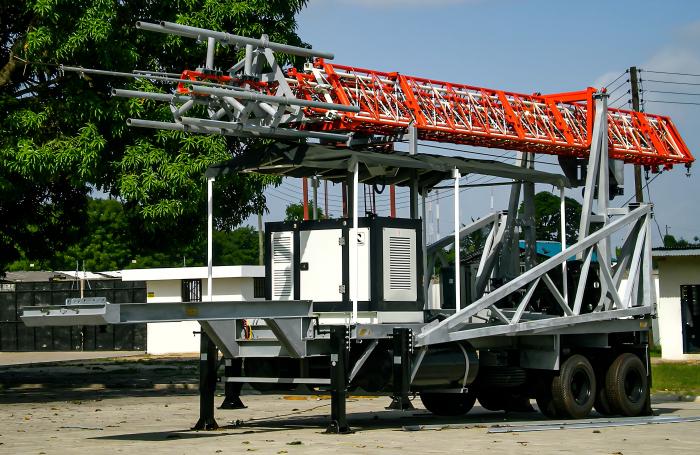
Estimated Costs:
- Purchase Cost: A new 5G Cell on Wheels can range from tens of thousands to hundreds of thousands of dollars, depending on the specifications and capabilities.
- Rental Cost: Rental fees for a 5G COW can vary based on the provider, duration of deployment, and included services. Daily rental rates can range from a few hundred to several thousand dollars, or more.
Given the wide range of cost factors involved, it's essential to consult with telecommunications equipment providers, network operators, or rental companies for detailed quotes based on your specific requirements for a 5G Cell on Wheels deployment.
Which rivet is used for riveting magnesium alloy structures?
When riveting magnesium alloy structures, it is common to use rivets made of the same or compatible material. Magnesium rivets are specifically designed for joining magnesium alloys and offer good corrosion resistance and mechanical properties.
One commonly used rivet type for magnesium alloy structures is the solid magnesium rivet. Solid rivets are cylindrical fasteners with a solid shank that is inserted into pre-drilled holes in the materials being joined. The rivet is then deformed using a rivet gun or a similar tool, causing it to spread and form a secure joint.
It's important to note that the specific rivet type and size used may vary depending on the application, material thickness, and design requirements. It's always recommended to consult the appropriate engineering standards, design guidelines, or consult a professional in the specific field to determine the most suitable rivet for application.
Structural rivets are a crucial component in many industries where strong, reliable, and durable connections are required. Unlike regular blind rivets, structural rivets offer enhanced shear and tensile strength, making them ideal for high-stress applications. They work by locking the mandrel inside the rivet body, creating a solid mechanical lock that can handle vibration, load, and environmental stress.
Types of Structural Rivets
Huck Structural Rivets
Huck structural rivets are designed for applications requiring high strength and resistance to vibration. They are popular in industries like automotive, construction, and transportation due to their reliability. Huck rivets offer features such as a high clamping force and the ability to be installed from one side of the material, making them suitable for complex assemblies where access is limited
Multi Grip Blind Rivets
Multi Grip Blind Rivets are versatile and can handle variations in material thickness, reducing the need for different rivet sizes. This type of rivet provides a secure, vibration-resistant connection and is often used in applications requiring sealing against water and other elements(
Uni Grip Blind Rivets
These rivets offer a broad grip range and are ideal for applications with varying material thicknesses. Uni Grip Blind Rivets provide a secure fastening and are frequently used in light industrial applications
Hem Lock Blind Rivets
Hem Lock Blind Rivets are known for their high vibration resistance and large blind-end bearing areas. These rivets are ideal for areas where high shear and tensile strength are required, such as aerospace and heavy machinery
Advantages of Using Structural Rivets
High Shear and Tensile Strength
Structural rivets provide robust fastening that can withstand significant load and stress. This makes them perfect for critical applications such as aerospace and construction, where the strength of the connection is paramount(
Vibration Resistance
One of the standout features of structural rivets, particularly Huck rivets, is their resistance to vibration. This quality ensures that connections remain secure over time, even in environments where constant motion could loosen other fasteners
Corrosion Resistance
Many structural rivets are made from materials like stainless steel and aluminum, which are resistant to corrosion. This makes them suitable for outdoor applications and harsh environments, including marine and industrial settings
Applications of Structural Rivets
Structural rivets are used in various industries due to their strength and reliability:
-
Automotive and Aerospace Industries: These industries require fasteners that can withstand high-stress conditions. Structural rivets are often used in car frames, airplane fuselages, and other critical assemblies
-
Construction and Heavy Equipment: In construction, structural rivets are ideal for joining steel beams, heavy equipment, and other load-bearing components. Their high tensile strength ensures that these connections remain secure under heavy loads
-
Renewable Energy and Telecommunications: Structural rivets are used in the assembly of wind turbines, solar panel frames, and telecommunications towers due to their durability and ability to resist corrosion and weathering
Huck Bolts vs. Structural Rivets
What’s the Difference?
Huck bolts and structural rivets serve similar purposes but differ in their design and installation. Huck bolts are ideal for applications where high clamping force is needed, such as in railcars and heavy machinery. On the other hand, structural rivets are preferred for lighter applications where access is limited to one side
How to Choose the Right Structural Rivet
When selecting a structural rivet, consider the following factors:
-
Material Compatibility: Ensure the rivet material matches the materials being joined. For example, aluminum rivets should be used with aluminum parts to avoid galvanic corrosion
-
Rivet Size and Grip Range: Choose a rivet with a grip range that accommodates the thickness of the materials being joined
-
Environmental Considerations: For applications exposed to moisture or corrosive environments, select rivets made from corrosion-resistant materials such as stainless steel
Installation and Tools for Structural Rivets
To install structural rivets, you’ll need a specialized rivet gun. These come in various types:
-
Air-Powered Guns: Ideal for frequent installations, offering fast and consistent results
-
Cordless Rivet Guns: Provide mobility and convenience but may need recharging during extended use
-
Manual Rivet Guns: Best for occasional installations and smaller projects
Conclusion and FAQs
Why Are Structural Rivets Better Than Traditional Fasteners?
Structural rivets offer a stronger, more durable connection that withstands vibration and environmental factors, making them superior in high-stress applications.
What Are the Common Mistakes in Rivet Installation?
Common errors include using the wrong rivet size, not properly aligning the materials, and failing to use the correct installation tool.
Are Structural Rivets Reusable?
No, once installed, structural rivets cannot be reused. If they need to be removed, they must be drilled out and replaced.
How to Know if a Rivet Is Installed Correctly?
A properly installed rivet will form a tight mechanical lock. If the mandrel hasn’t snapped cleanly or the rivet is loose, the installation was incorrect.
What’s the Expected Lifespan of a Structural Rivet?
Structural rivets are designed to last as long as the materials they join, especially if made from corrosion-resistant materials.