Application of Terminal Blocks in Control Signal Transmission

Terminal blocks have wide applications in the field of control signal transmission. Control signal transmission refers to the transfer of signals from a controller to an actuator or other control devices to control devices, systems, or processes. Terminal blocks play a crucial role in connecting and transmitting signals in control signal transmission. Here are some applications of terminal blocks in the field of control signal transmission:

Automation equipment: pcb terminal block 2.54 mm are commonly used to connect sensors, actuators, and controllers in automation equipment. They provide reliable electrical connections to transmit control signals from the controller to the actuator, such as motors, valves, drivers, etc., to achieve control and monitoring of automated processes.

PLC (Programmable Logic Controller) system: PLC systems are widely used in the industrial automation field, and terminal blocks are used to transmit control signals from the PLC to various input and output devices. These input and output devices can be sensors, actuators, motors, switches, relays, etc., and terminal blocks provide reliable electrical connections and signal transmission.

Process control system: In industrial process control systems, terminal block 3 position are used to connect the controller and control devices, such as variable frequency drives, control valves, sensors, etc. They transmit control signals to monitor and control the process, adjust parameters, and ensure the stable operation of the process.

Mechanical control system: pcb terminal block plug connect the controller and various actuators, such as cylinders, motors, sensors, in mechanical control systems. They transmit control signals to control the movement and operation of mechanical equipment.


Thank you for considering the application of terminal blocks in control signal transmission. If you have any further questions or would like to discuss how our terminal blocks can benefit your specific application, please feel free to contact us.We are professional pcb terminal block manufacturers  and terminal block factory.

Application of Terminal Blocks In Mechanical Control Systems

Terminal blocks are widely used for connecting and transmitting signals to control and operate mechanical equipment. Here are some specific applications of  5.08 pitch connector in mechanical control systems:

Motor control: 5.08 terminal block are used to connect motors and controllers to transmit motor control signals in electrical control circuits. By connecting the motor to the terminal 5.08, functions such as starting and stopping, forward and reverse rotation, and speed control can be achieved.

Sensor connection: Mechanical control systems often use various sensors, such as pressure sensors, temperature sensors, and photoelectric sensors, to detect and monitor the status of mechanical equipment. pcb connector terminal block are used to connect these sensors and transmit sensor signals to the controller for processing and decision making.

Switch control: Switches in mechanical equipment are used to control the starting, stopping, or switching of certain functions. Green screw terminal are used to connect control switches and controllers to transmit switch status signals, triggering corresponding operations or controls based on the switch status. 

Position sensor connection: Mechanical control systems often use position sensors, such as encoders or position limit switches, to detect and provide feedback on the position information of the equipment. Pcb screw terminal connector are used to connect position sensors and controllers to transmit position signals to the control system, enabling accurate position detection and control.

Controller connection: Mechanical control systems typically use controllers (such as PLCs) to control and coordinate the entire system. Terminal blocks are used to connect the controller to the input and output interfaces of the equipment, transmitting control signals to various components effectively.

If you are interested in exploring how terminal blocks can enhance the performance and efficiency of your mechanical control systems, please feel free to contact us for further information.

Introduction to Male and Female Terminal Block

NingBo HongYi Male and female plug terminals are electrical connecting components that are known for their convenient installation and high reliability. 5.08 pitch connector are widely used in the fields of electronics, communications, and automotive industries.

NingBo HongYi  Male and female plug terminals, as the name suggests, consist of male and female parts for electrical connections. 3.81 mm connector achieve circuit connections and disconnections through the mating of male and female parts, and are commonly used in electronics, communications, and automotive industries. 


 I.Features and Advantages of Male and Female Plug Terminals

1. Convenient installation: NingBo HongYi  screwless electrical connectors adopt a plug-in design, making installation simple and quick without the need for special tools or skills.


2. High reliability: 3.81 connector  are made of high-quality materials, ensuring excellent conductivity and insulation properties, thus guaranteeing stable and reliable circuit connections.

In conclusion, NingBo HongYi screwless connector block are essential electrical components with easy installation and high reliability, suitable for various applications in electronics, communications, and automotive industries.


II.Structure and Working Principle of Male and Female Plug Terminals
NingBo HongYi  Male and female plug terminals typically consist of metal conductors, insulators, and fixing components.
3.5 mm terminal, usually made of copper or copper alloys, provide excellent conductivity. Insulators protect the metal conductors and prevent electrical leakage, often made of plastics or rubber materials. Fixing components secure the terminals on circuit boards or devices, ensuring stability of the connections.

The working principle of male and female plug terminals is straight forward; when the male part is inserted into the female part, an electrical connection is established between the metal conductors, facilitating circuit connections. To disconnect the circuit, simply remove the male part from the female part.

The Advantages Of Pluggable terminal block

The advantages Pluggable terminal block :a new choice for efficient, convenient, and flexible electrical connections


Pluggable terminal block have the advantages of fast installation, easy maintenance, high reliability, and wide application, making them an efficient, convenient, and flexible choice in the field of electrical connections.

As a new type of electrical connection method, plug-in terminals have been widely used in various fields in recent years. Its advantage lies in the ability to quickly achieve electrical connections and easy maintenance, making it the preferred choice for many electrical engineers and technicians. This article will provide a detailed analysis of the advantages of plug-in terminals, helping everyone better understand and use this electrical connection method.

1、 Widely used to meet different needs

screwless connector are suitable for various electrical connection scenarios, including industrial control, power transmission, communication, and other fields. They can meet the connection needs of different electrical equipment and provide diverse connection methods. In addition, plug-in terminals also have flexible customization, which can be customized according to specific needs to meet the personalized needs of different customers.


2、High reliability ensures safe and stable operation

In the design and manufacturing process of plug-in terminals, emphasis is placed on improving the reliability and stability of the connection. Screwless pcb terminal block usually have a high number of insertions and durability, and can withstand a certain degree of vibration and impact. In addition, plug-in terminals are made of high-quality materials and advanced production processes to ensure that the connecting parts have good conductivity and mechanical strength, thereby ensuring the safe and stable operation of electrical equipment.


3、Quick installation to improve work efficiency

Pcb terminal screw adopts a plug-in connection method, without the need for screws or other fasteners. Simply insert the wire into the terminal and press the locking mechanism to complete the connection. This installation method is simple and easy to implement, greatly improving work efficiency. Compared to traditional connection methods, plug-in terminals can save a lot of installation time, reduce labor intensity, and enable electrical engineers and technicians to focus more on other important tasks.


4、Easy to maintain and reduce failure rate

Pcb pluggable terminal block connector  also have advantages in maintenance. Due to the use of plug-in connection, when electrical equipment needs to be replaced or repaired, simply unplug the terminals to complete the disassembly work. In addition, plug-in terminals usually have good sealing performance, which can effectively prevent pollutants such as dust and moisture from entering the connection part, thereby reducing the failure rate and improving the reliability of electrical equipment.


In Summary, pluggable pcb terminal blocks have demonstrated unique advantages in the field of electrical connections due to their high efficiency, convenience, and flexibility. They can quickly achieve electrical connections and improve work efficiency; Easy to maintain and reduce failure rate; High reliability ensures the safe and stable operation of electrical equipment; And it is widely applicable to various scenarios to meet different needs. Therefore, pluggable pcb terminal block have become an ideal choice for electrical engineers and technicians, injecting new vitality into the development of the electrical connection field.

Technology improvement discussion for stainless steel Airfry tray after sales

Technology improvement discussion for stainless steel air fryer tray after sales

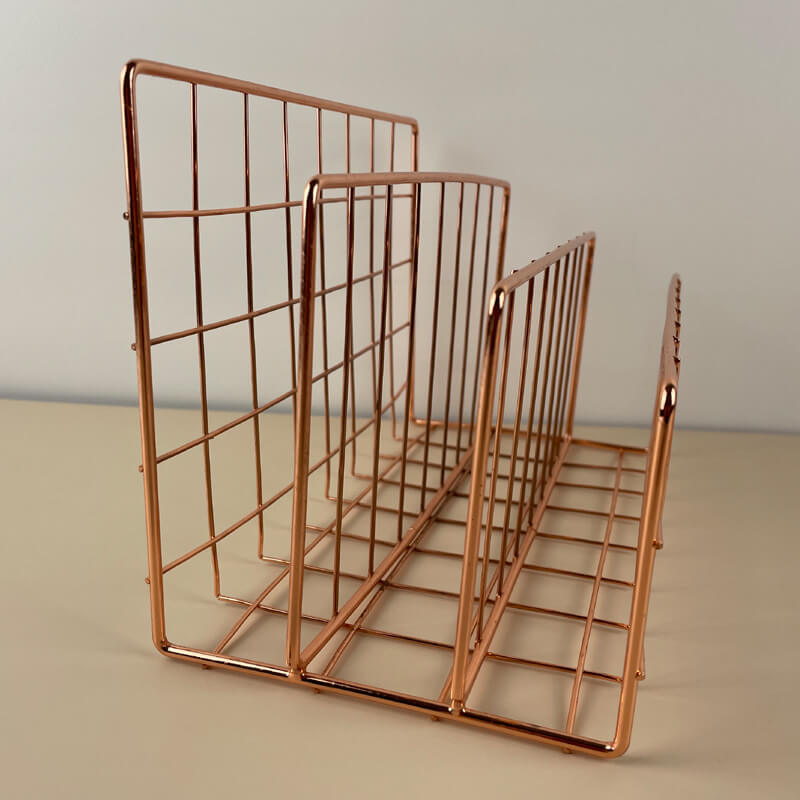
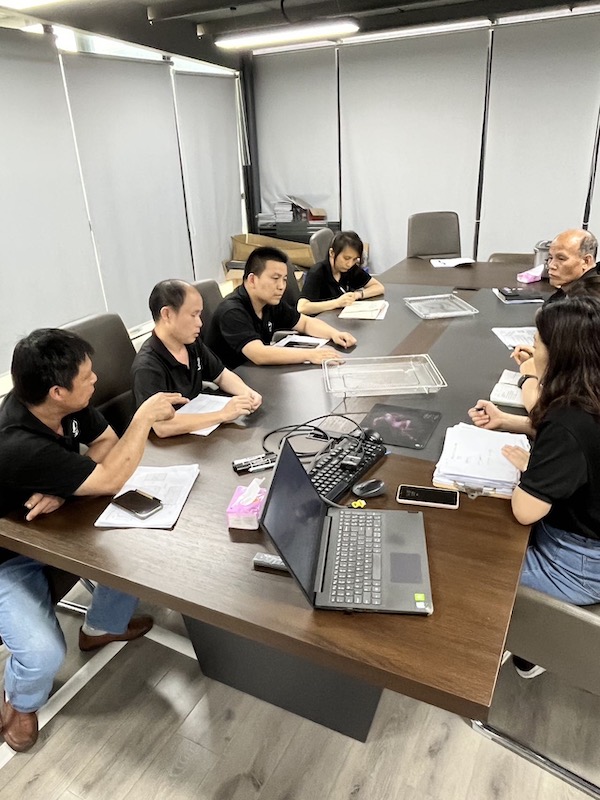
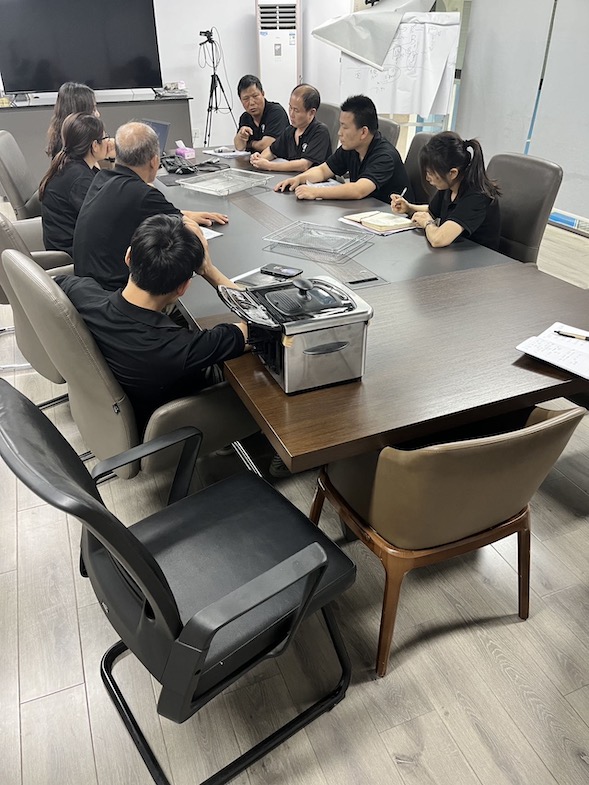
We, Yuanzao always focus on the technology improvements for each products. We are major in manufacturing the stainless steel air fryer tray, mesh tray, wire racks and baking baskets for our clients. After sales, we will organize our related department, including R&D, Production, and purchasing who are related to discuss the products. And we will summarize the problems during the production, and try to find a better way in next run. We, Yuanzao hope to provide the high quality products to our customers through our technology improvements.

Below is our hot discussion for the airfry baking tray after the shipment to Europe.

Congratulation Our Successful Exhibition In Vietnam International Plastics & Rubber Industry Exhibition

Congratulation Our Successful Exhibition In Vietnam International Plastics & Rubber Industry Exhibition


The production of plastic products in Vietnam witha growth rate of 15% each year later. Vietnam’s plastics industry has around 2,000 businesses, and 83% are located in the Ho Chi Minh City. Its plastics products having a great competitive edge for packaging, household products, and construction and engineering plastics. The Vietnam International Plastics & Rubber Industry Exhibition has been seen as the best path to enter Vietnam market, and the most beneficial way to promote products, services and machinery internationally.

International Plastics & Rubber Industry Exhibition


We exhibit the 22nd  Vietnam International Plastics & Rubber Industry Exhibition in Saigon Exhibition & Conference Center (SECC) from 16th Oct. to 20th Oct.

International Plastics & Rubber Industry Exhibition

We exhibit thelatest trends and innovations in E-TPU molding products, TPU resin, TPE resin. E-TPU molding products includeInjection Molding,Compression Molding,Extrusion Molding,Overmolding. TPU resin such as TPU specialized in production oil seal which required excellent oil resistance properties.


Our display rack attracted many professional visitor. The visitor got our professional answer to their question.

International Plastics & Rubber Industry ExhibitionInternational Plastics & Rubber Industry Exhibition

We also meet and communication with our old friends in Vietnam.

International Plastics & Rubber Industry Exhibition

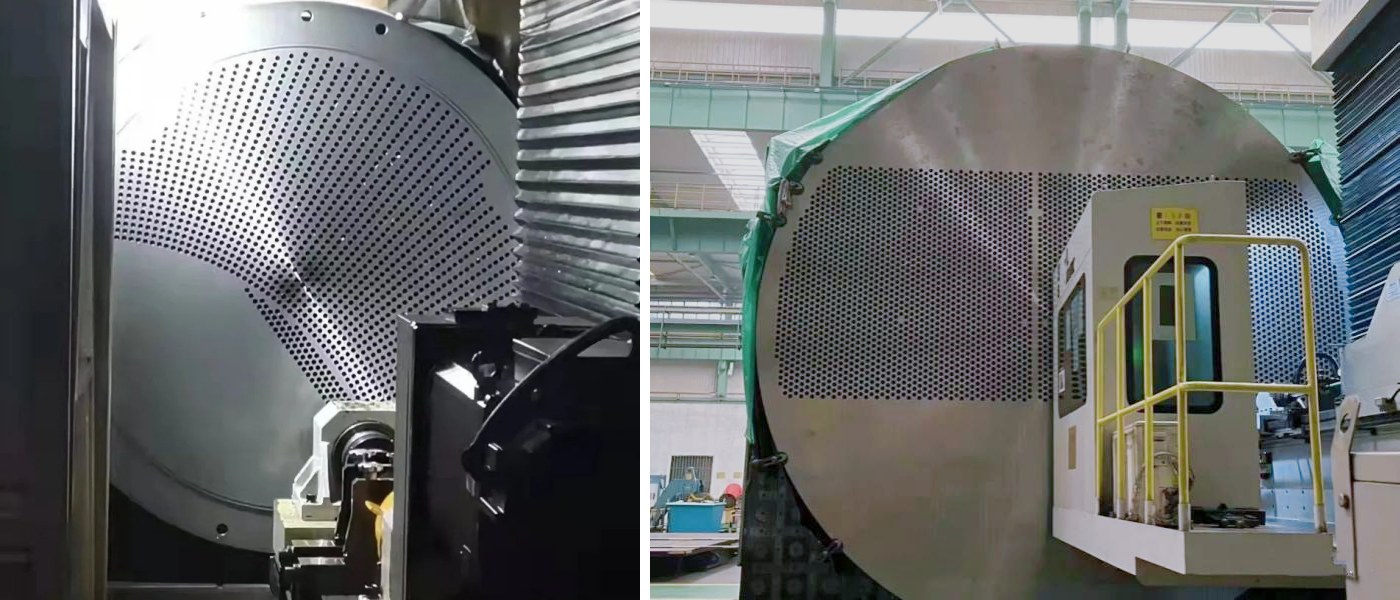
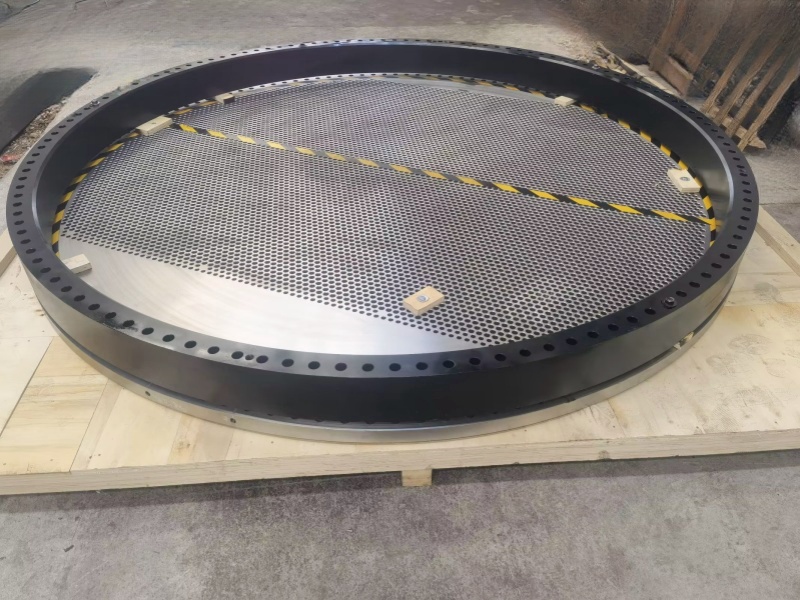
CNC machining tube plates & tube sheet

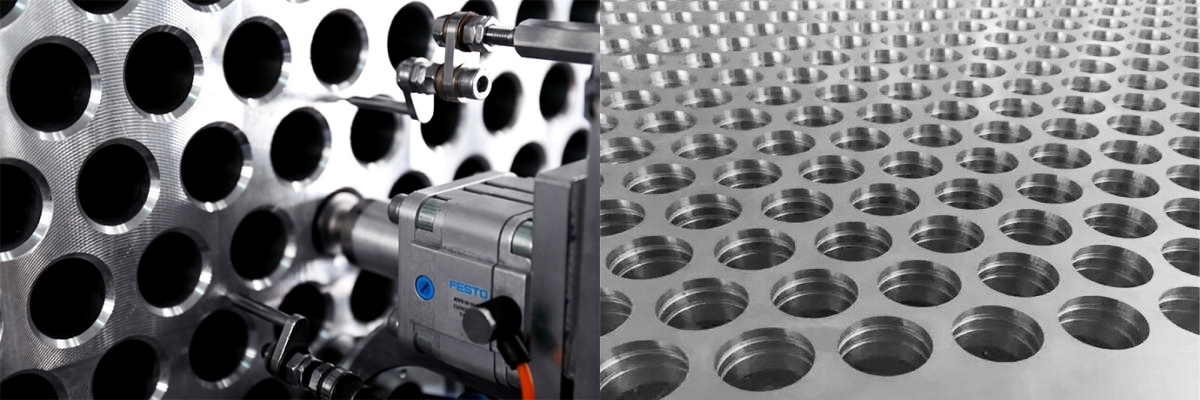
A CNC machined tube plate refers to a tube sheet or plate that has undergone precision machining using a Computer Numerical Control (CNC) machine.  CNC machining involves the use of computer numerical control to automate and control the movement of machining tools and equipment. This technology allows for precise and accurate shaping, cutting, and drilling of materials, including metal plates used in various applications.


Information on CNC machining tube plates

1. Tube Sheet in Heat Exchangers: In the context of heat exchangers, a tube sheet is a plate that separates the fluid in the tubes from the fluid in the shell of the heat exchanger. CNC machining can be used to create precise holes in the tube sheet for the tubes to pass through.


2. CNC Tube Cutting: This could refer to the process of using CNC machines to cut tubes into specific lengths or shapes. CNC tube cutting is commonly used in industries such as automotive, aerospace, and construction.


3. Tube Plate in Structural Engineering: In structural engineering, a tube plate might be a component used in the construction of steel structures, such as trusses or frames. CNC machining can be employed to create precise cuts and holes in these plates.

tube sheet manufacturing


CNC machining tube plate

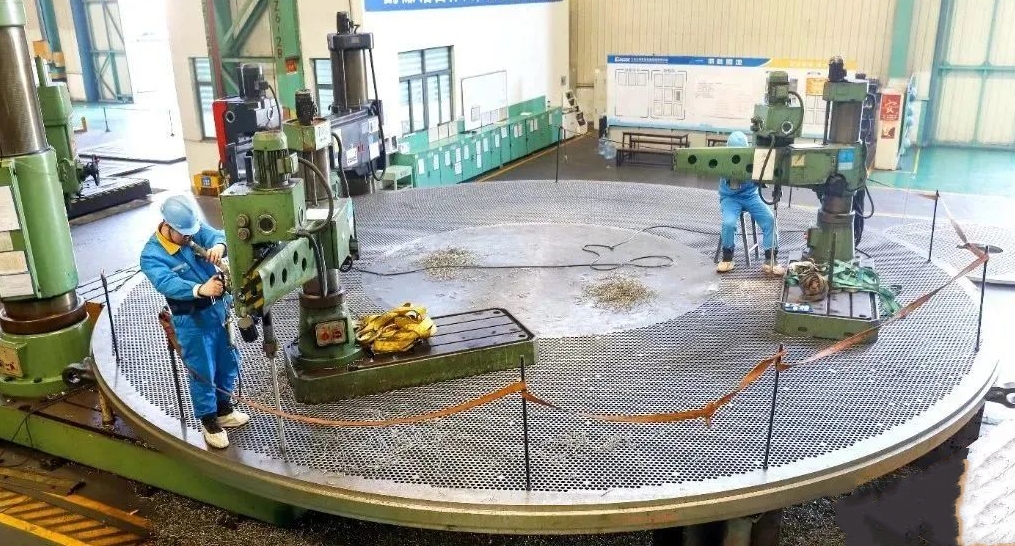
1. Hole Drilling: CNC machines can accurately drill holes in tube plates to accommodate tubes in heat exchangers or other systems. The hole patterns need to be precisely designed to ensure proper alignment and fit.


2. Milling and Cutting: CNC milling machines can be employed to cut and shape tube plates according to specific designs and requirements. This can include creating intricate patterns or features on the surface of the tube plate.


3. Surface Finishing: CNC machining can be used to achieve a smooth and precise finish on the surface of the tube plate. This is important for both functional and aesthetic reasons, depending on the application.


4. Customization: CNC machining allows for a high level of customization. Tube plates can be machined to exact specifications, accommodating different sizes, hole patterns, and materials based on the requirements of the specific application.

tube sheet process


CNC machined tube plates are commonly used in the construction of heat exchangers, boilers, and similar equipment where precise alignment and secure attachment of tubes are essential for efficient heat transfer. The use of CNC machining ensures the production of high-quality, accurate, and repeatable tube plates in various industrial settings. 


Relying on the top processing equipment cluster, wuxi changrun can provide multiple processes from material to cutting, beveling, welding, heat treatment, vertical turning, drilling and so on; Capable of processing tube plates and folding plates made of diversified materials such as pure titanium, stainless steel composite, high-specification stainless steel and various high-strength steels.

large tube sheet

Do you know the structure of shell and tube heat exchanger?

A shell and tube heat exchanger consists of a shell, heat transfer tube bundle, tube sheet, baffle plate (baffle), and channel. The shell is mostly cylindrical with a tube bundle inside, and the two ends of the tube bundle are fixed on the tubesheet. There are two types of heat transfer fluids: hot fluid and cold fluid. One is the fluid inside the tube, called the tube side fluid; Another type is the fluid outside the pipe, called the shell side fluid.
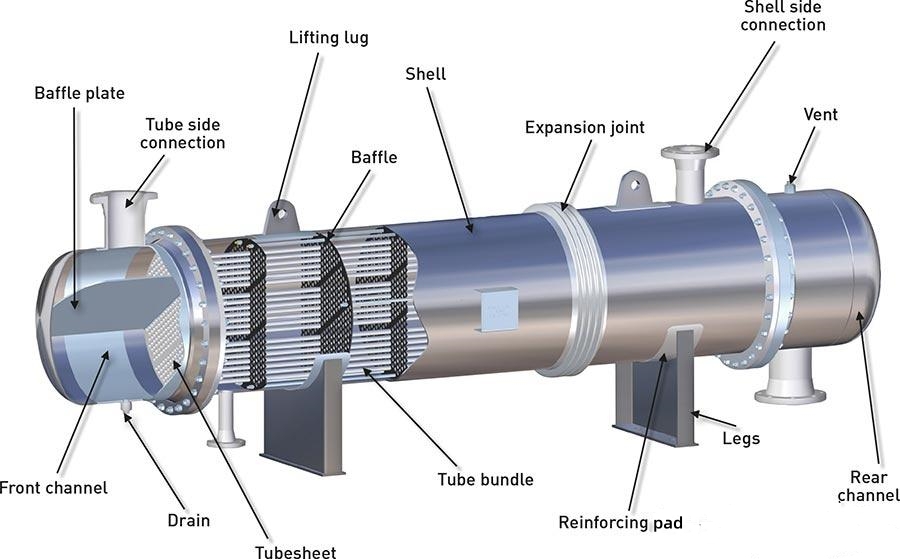
shell and tube heat exchanger


1. What is Shell?

The shell serves as the outer housing of the heat exchanger. It contains one of the fluid streams and is typically constructed from materials such as carbon steel, stainless steel, or other alloys depending on the application and operating conditions.


2. What is Tube Bundle?

The tube bundle is the core component of the heat exchanger where heat transfer occurs. It consists of a series of tubes through which one fluid flows while the other fluid flows around the outside of the tubes. The tubes can be straight or bent, and they are usually made of materials such as copper, stainless steel, or titanium.
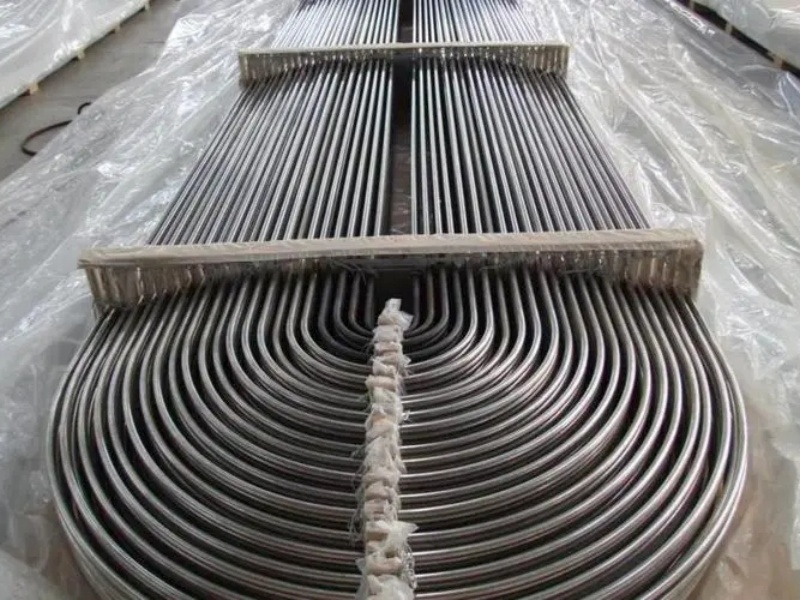
heat exchanger tubes


3. What is Tubesheet?

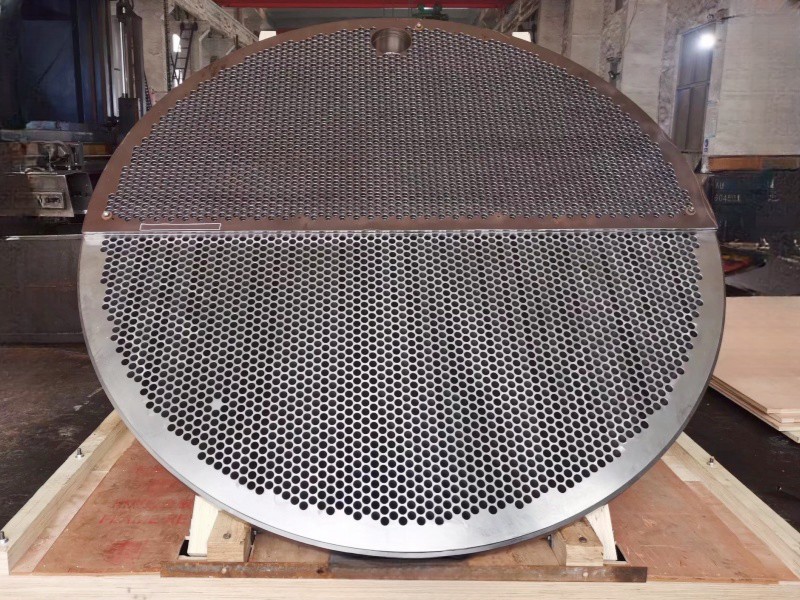
The tubesheet is a thick metal plate located at both ends of the tube bundle. It serves to support and secure the tubes in place, providing a leak-proof seal between the tube bundle and the shell.
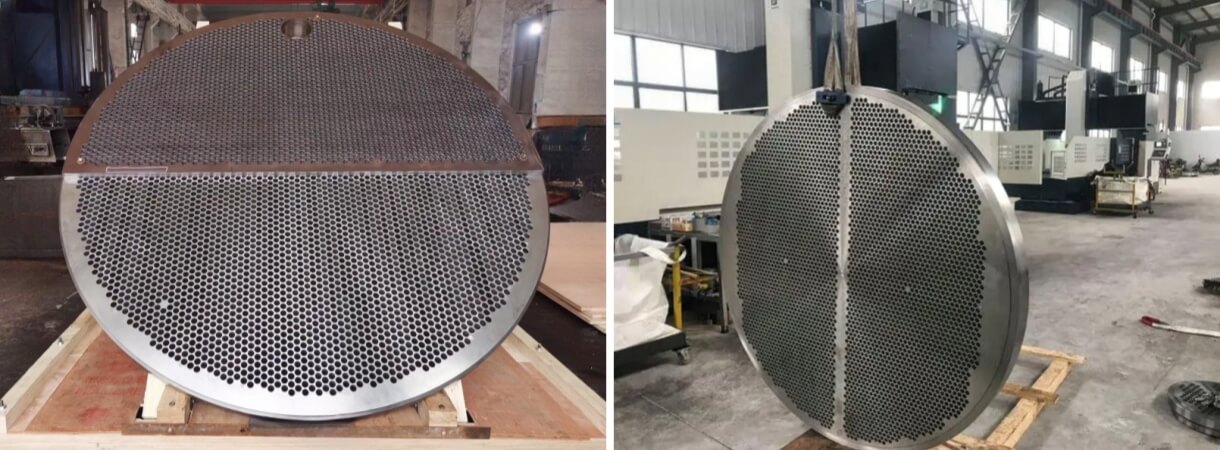
tube sheet


4. What are Baffles?

Baffles are plates or spacers placed inside the shell to direct the flow of the shell-side fluid. They promote turbulence in the fluid flow, which enhances heat transfer efficiency by increasing the mixing of the fluid. Baffles also help to support the tubes and prevent vibration.
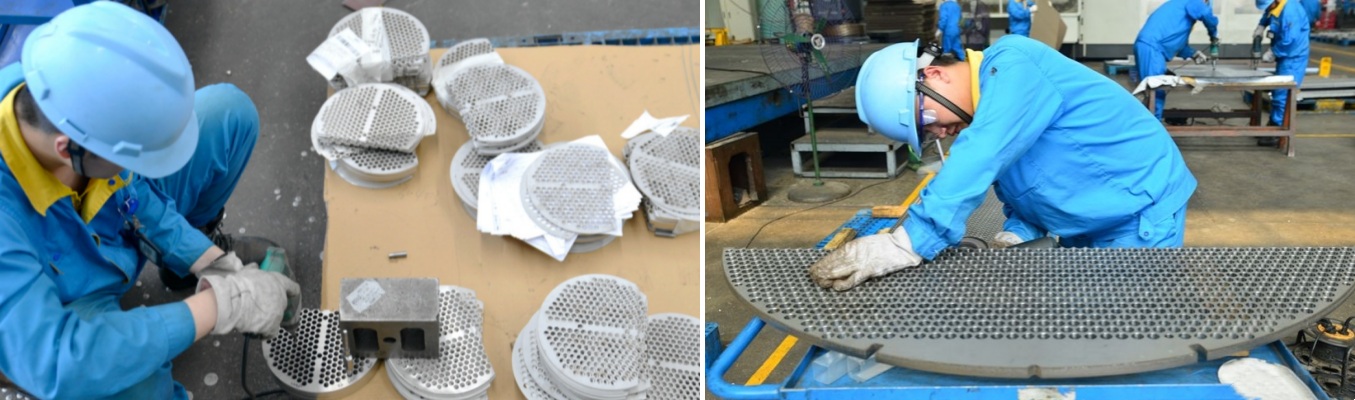
baffle plate


5. What is Baffle Plate?

The baffle plate is a large plate attached to the inner wall of the shell. It supports the baffles and helps to guide the flow of the shell-side fluid through the heat exchanger.


6. What is Front Channel and Rear Channel?

These are the spaces between the baffles where the shell-side fluid flows around the tube bundle. The front channel is located near the inlet of the shell-side fluid, while the rear channel is located near the outlet.


7. What is Tube Side Connection?

These are the inlet and outlet connections for the fluid flowing through the tubes. They allow the tube-side fluid to enter and exit the heat exchanger.


8. What is Shell Side Connection?

These are the inlet and outlet connections for the fluid flowing around the outside of the tubes. They allow the shell-side fluid to enter and exit the heat exchanger.


9. What is Vent?

The vent is an opening on the shell of the heat exchanger used to remove trapped air or gases during startup or operation. It ensures proper operation and prevents air pockets from interfering with heat transfer.


10. What is Drain?

The drain is an opening on the shell or tubesheet used to remove liquid from the heat exchanger. It is typically used for maintenance purposes or for draining the system during shutdowns.


11. What is Expansion Joint?

An expansion joint is a flexible element installed in the shell or tube bundle to accommodate thermal expansion and contraction. It prevents damage to the heat exchanger caused by temperature fluctuations.


12. What are Heat Exchanger Legs?

Legs are support structures attached to the bottom of the heat exchanger to elevate it above the ground or other surfaces. They provide stability and facilitate installation and maintenance.


13. Lifting Lug?

Lifting lugs are welded to the shell of the heat exchanger and used for lifting and handling during installation or maintenance.


14. Reinforcing Pad?

Reinforcing pads are additional material welded to the shell or other components to strengthen areas subjected to high stress or pressure, such as nozzle connections.


These components work together to facilitate efficient heat transfer between the two fluid streams while ensuring structural integrity, reliability, and safety of the heat exchanger. 


Wuxi Changrun has provided high-quality tube sheets, nozzles, flanges, and customized forgings for heat exchangers, boilers, pressure vessels, etc. to many well-known petrochemical enterprises at home and abroad. Our customers include PetroChina, Sinopec, Chevron, Bayer, Shell, BASF, etc. Send your drawings to sales@wuxichangrun.com We will provide you with the best quotation and the highest quality products.
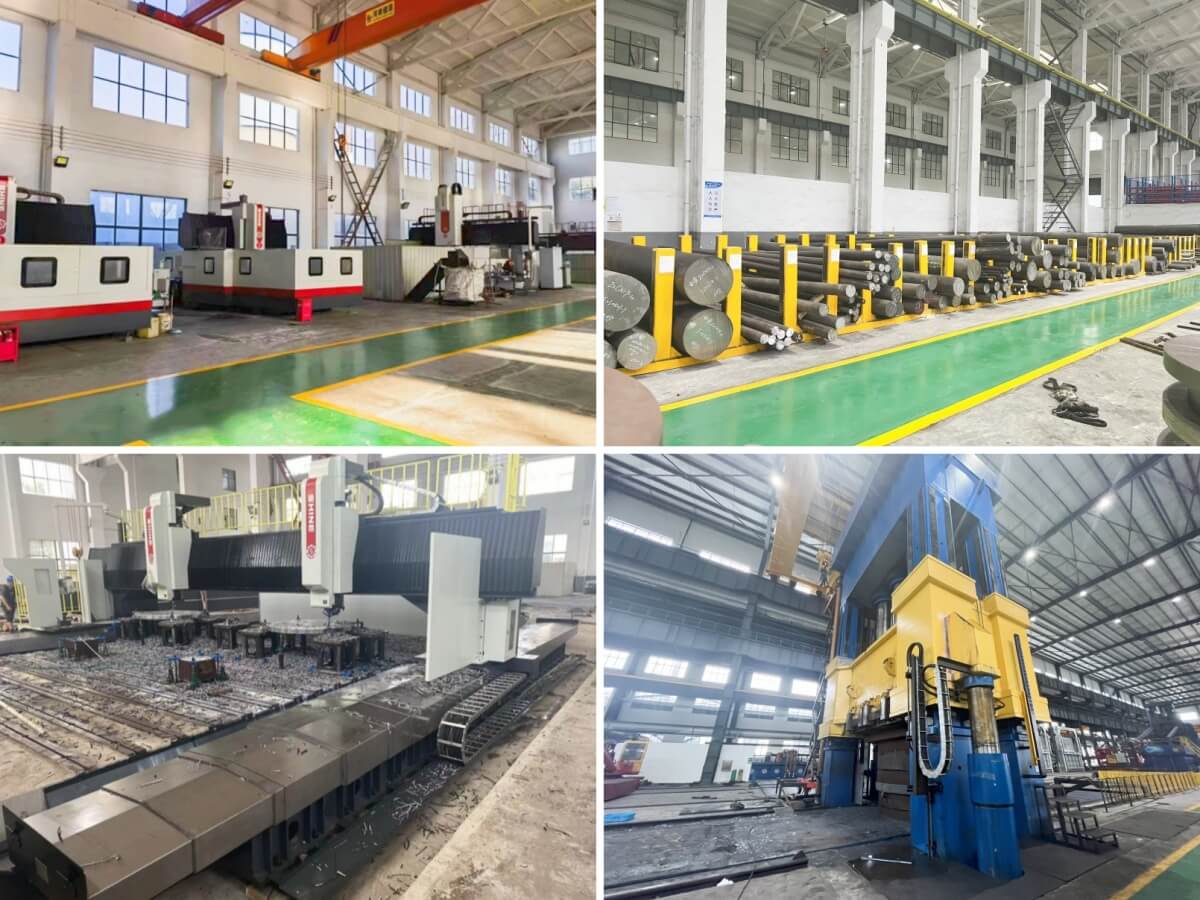

workshop

forged tube sheet introduction

What is a forged tube sheet?

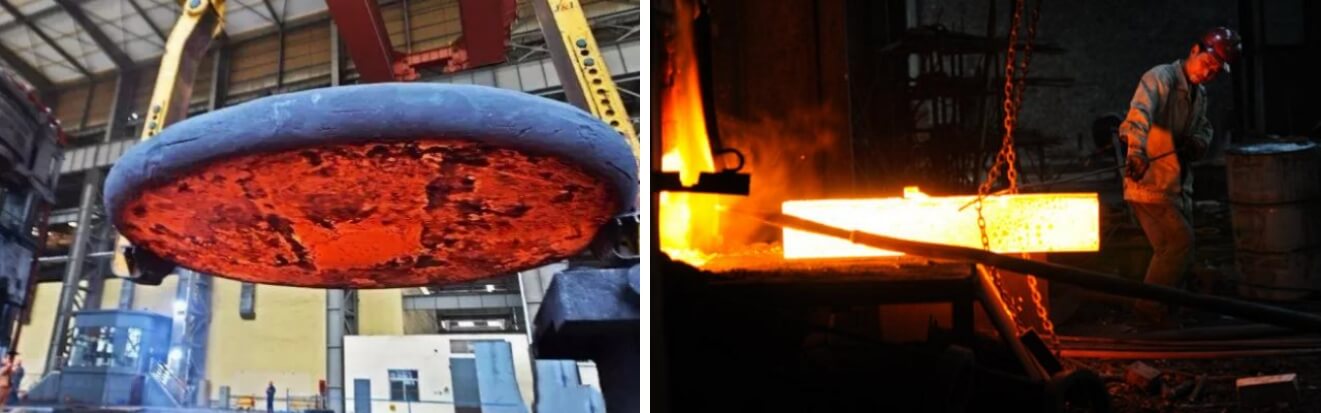
Forging is a process of manufacturing components by plastic deformation of metal. During the forging process, the metal is pressed to the desired shape. A forged tubesheet is commonly made from a round disc forging with holes drilled to accept the tubes or pipes in an accurate location and pattern relative to one another. The advantages of forging tube sheets are high density, high strength, and good toughness. However, due to the high temperature and specialized equipment required for forging, the cost is relatively high.


A forged tube sheet is a critical component in shell-and-tube heat exchangers. It serves as a support for the heat exchanger tubes and provides a sealed barrier at the ends of the tubes to prevent leakage between the tube-side and shell-side fluids, ensure effective heat transfer or to support filter elements. In shell and tube heat exchangers, two plates support the tubes, one on each end. They are in contact with both fluids on the shell side and the tube side, so they must be corrosion resistant and sealed tightly. Many heat exchanger design codes and standards require forged tubesheets.

forged tube sheet


Forged Tube Sheet Production Standards:

The production standards for forged tube sheets can vary depending on the specific industry and application. However, some common standards that may be followed include:


1.ASME (American Society of Mechanical Engineers) Standards: ASME Boiler and Pressure Vessel Code (BPVC) provides guidelines and standards for the design, fabrication, and inspection of pressure vessels, including heat exchangers. ASME standards ensure that the equipment meets safety and performance requirements.


2. ASTM (American Society for Testing and Materials) Standards: ASTM specifications provide guidelines for the materials used in the fabrication of tube sheets. Different grades of materials are specified based on factors such as temperature, pressure, and corrosion resistance.


Material of Forged Tube Sheets:

The choice of material for forged tube sheets depends on the specific requirements of the application. Common the material include: carbon steel tube sheets, stainless steel tube sheets, alloy steel tube sheets. A tubesheet may be covered in a cladding material which serves as a corrosion barrier and insulator which is weld overlay tube sheets. (Know more about welding overlay tube sheet)

tube sheet


Forgings for manufacturing tube sheets need to meet the following performance requirements:

1. High strength: able to withstand high pressure and impact loads, ensuring the stability and safe operation of the tube sheet.

2. Good corrosion resistance: It can resist the corrosion of the medium and extend the service life of the tubesheet.

3. Good sealing: Ensure the normal operation of the tube plate and prevent medium leakage.

4. Good processability: Easy to process into complex shapes to meet the design requirements of tubesheets.

carbon steel tube sheet


Forged tube sheets find applications in various industries, including:

1. Petrochemical Industry: For heat exchangers in refineries and chemical processing plants.

2. Power Generation: In boilers and steam generators.

3. Oil and Gas Industry: For heat exchangers in oil refineries and offshore platforms.

4. Chemical Processing: In chemical reactors and processing equipment.


Forged tube sheets are crucial components in heat exchangers, manufactured through a forging process to achieve specific mechanical properties. They adhere to industry standards and are chosen for their strength, durability, and resistance to corrosion in various industrial applications. Wuxi changrun specialized in forged tube sheet manufacture.

tube sheet manufacturer